
Transform Your Smile With Dental Bonding
Dental bonding is a quick, minimally invasive cosmetic dental procedure that uses tooth-colored composite resin to repair chips, close small gaps, and improve discoloration for a natural-looking smile. In this guide, you will learn what composite resin bonding is, which materials and steps are involved, how bonding compares to veneers and crowns, and practical aftercare to extend results. Many people in Lutz, Land O’ Lakes, and Wesley Chapel want faster, more affordable cosmetic fixes without significant enamel removal; dental bonding answers that need by often delivering aesthetic improvements in a single visit. This article maps the procedure, highlights benefits and realistic longevity, explains local cost context and financing options, and provides practical aftercare tips so you can decide if dental bonding is right for your smile. Throughout, we use terms like composite resin, tooth-colored bonding, and cosmetic tooth repair to make the information actionable and locally relevant.
What Is Dental Bonding and How Does It Improve Your Smile in Lutz?
Dental bonding is the application of a tooth-colored composite resin to tooth surfaces to restore shape, mask discoloration, and close small spaces while preserving tooth structure. The composite adheres to prepared enamel and dentin using a bonding agent, is sculpted to the desired contour, and then hardened with a curing light to provide both cosmetic improvement and functional repair. Bonding improves aesthetics by rebuilding lost structure and matching surrounding tooth shade, and it can often be completed without lab work or multiple visits. Understanding the materials and typical indications helps Lutz residents choose the right cosmetic option for minor to moderate corrections.
What materials are used in composite bonding procedures?
Composite resin is the primary material used in bonding; it is a blend of resin matrix and inorganic filler particles that can be shade-matched to natural teeth. A separate bonding agent promotes chemical and micromechanical adhesion between resin and tooth enamel, increasing durability and reducing microleakage. Curing lights (LED/UV) polymerize the resin, converting it from a pliable paste to a hardened restoration, while polishing instruments and fine burs refine contours and surface luster for a lifelike finish. These material components work together to deliver aesthetic repair with conservation of tooth structure.
Dental Adhesion: Mechanisms, Techniques, and Durability in Restorative Dentistry
Dental adhesion is a fundamental process in restorative dentistry, involving the creation of a bond between the tooth structure and the restorative material. This paper reviews the mechanisms, techniques, and durability of dental adhesion, focusing on the interaction between composite resins and tooth substrates. It discusses various adhesive systems and their clinical performance, highlighting the importance of proper surface preparation and application techniques for achieving long-lasting restorations.
Dental adhesion: mechanism, techniques and durability, 2012
MaterialRoleBenefitComposite resinFills and sculpts tooth defectsTooth-color match and conservative restorationBonding agentPromotes adhesion to enamel/dentinStrong bond and longevity of repairCuring lightPolymerizes resinRapid hardening in-officePolishing instrumentsFinish surfacesNatural sheen and smoothness
This table shows how each component contributes to a predictable, aesthetic result.
Which dental issues can dental bonding fix effectively?
Dental bonding is ideal for repairing small chips, filling minor fractures, closing narrow diastemas (small gaps), and covering localized discoloration that does not respond to whitening. Because bonding conserves enamel, it is often preferred for conservative cosmetic updates on front teeth where minimal intervention is desired. However, large structural losses or heavy bite forces may require stronger restorative options like crowns. For common aesthetic complaints—chipped edges, minor gaps, and surface stains—bonding provides a fast, affordable path to a more uniform smile.
How does dental bonding compare to other cosmetic dental treatments?
Bonding is generally less invasive and less costly than veneers or crowns and can usually be completed in a single appointment, while veneers require lab fabrication and crowns involve more tooth preparation. Longevity for bonding typically ranges lower than porcelain veneers, and composite is more prone to staining, but its repairability and lower upfront cost make it attractive for many patients. When long-term durability and extreme color stability are paramount, veneers or crowns may be recommended; when conservatism and cost-effectiveness are priorities, bonding often wins. Choosing between options depends on the issue’s severity, patient budget, and desired permanence.
What Are the Key Benefits of Dental Bonding for Lutz Residents?
Dental bonding offers immediate aesthetic upgrades with minimal tooth alteration, making it suitable for time-sensitive needs like events or interviews. The procedure’s conservative nature preserves enamel and tooth structure, reducing the risk of future sensitivity compared with more invasive alternatives. Bonding is often more affordable than lab-based restorations and can be repaired chairside if minor chips or stains occur. These practical advantages make bonding a compelling choice for Lutz residents seeking cosmetic tooth repair without lengthy treatment timelines.
How does dental bonding provide a minimally invasive smile makeover?
Bonding typically requires little to no enamel removal; the clinician roughens the tooth surface and applies bonding agent before layering composite, which preserves the natural tooth. This conservative approach reduces the need for anesthesia in many cases and maintains options for future treatments since tooth structure is largely intact. Patients who prefer to avoid irreversible changes often select bonding because it retains flexibility for later upgrades to veneers or crowns if desired. The minimally invasive nature is particularly appealing for small cosmetic corrections where conservation matters most.
OutcomeInvasivenessTypical VisitChip repairLowSingle visitGap closureLow to moderateSingle visitStain maskingLowSingle visit
This comparison highlights how common outcomes balance invasiveness with convenience.
Why is dental bonding a cost-effective cosmetic dental solution?
Lower material costs and chair time make bonding less expensive than porcelain veneers or crowns, which require lab fees and multiple appointments. Because bonding often finishes in a single visit, patients save on appointments and associated time away from work or family commitments. Repairs can usually be performed quickly without full replacement, keeping long-term maintenance costs reasonable for many patients. For targeted cosmetic improvements, bonding maximizes aesthetic impact per dollar spent.
How does dental bonding enhance tooth color and close gaps?
Clinicians select composite shades and layer translucency to mimic natural enamel and dentin, allowing precise color matching and lifelike results. Composite can be sculpted to alter tooth contours and fill small spaces, reducing the appearance of diastemas without orthodontics for minor gaps. The technique of incremental layering and finishing creates depth and gloss that blend with surrounding teeth, producing a seamless enhancement. Successful shade selection and polishing are key to longevity and cosmetic integration.
Shade Matching for Composite Resins: Single, Group, and Multi-Shade Materials
The purpose of this study was to evaluate the shade-matching ability of single, group, and multiple-shade composite resin restorative materials. A system that has a composite shade for each of the 16 VITA classical shades was used. The results showed that the single-shade composite resin restorative material was able to match 10 of the 16 VITA classical shades, while the group-shade composite resin restorative material was able to match 13 of the 16 VITA classical shades. The multiple-shade composite resin restorative material was able to match all 16 VITA classical shades.
Color match using instrumental and visual methods for single, group, and multi‐shade composite resins, 2021
Mastering Clinical Shade Matching for Resin-Based Dental Composites
The art of clinical shade matching of resin-based composite materials is crucial for achieving aesthetically pleasing and natural-looking restorations. This article provides practical tips and techniques to improve shade matching accuracy, ensuring that the composite material blends seamlessly with the patient's natural tooth color. The final article in the series will discuss shade matching in relation to indirect restorative materials.
The art of clinical shade matching of resin-based composite materials, 2024
What Can You Expect During the Dental Bonding Procedure at Bespoke Dental in Lutz?
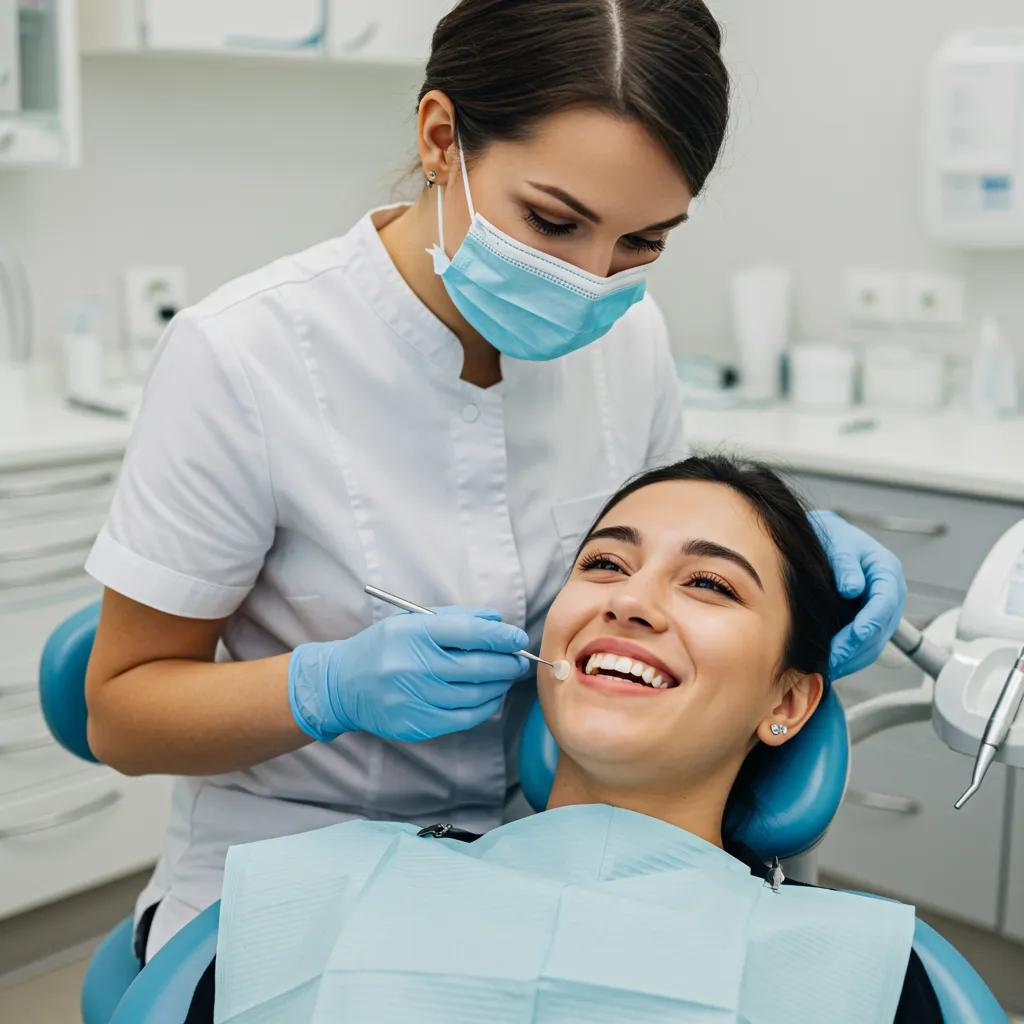
A typical bonding visit begins with a focused consultation to identify goals, select shades, and plan conservative corrections to achieve natural aesthetics. The clinician prepares the tooth surface, applies bonding agent, sculpts composite resin, and uses an LED curing light to harden each layer before finishing with polishing to match adjacent teeth. Bespoke Dental emphasizes patient comfort and precision; clinicians like Dr. Tarik Elmohd and Dr. Michael Fabian use modern technology and gentle protocols to minimize discomfort and optimize outcomes. Expect a single appointment for simple cases and clear communication about expected results and maintenance.
What are the step-by-step stages of dental bonding?
- Consultation and shade selection: Discuss goals and choose matching composite color.
- Surface preparation: Clean and slightly roughen enamel, apply bonding agent.
- Composite application and curing: Layer and shape resin, then harden with curing light.
- Finishing and polishing: Contour and polish to achieve natural sheen and fit.
How does Bespoke Dental ensure comfort and precision during bonding?
Bespoke Dental prioritizes patient comfort through clear communication, topical anesthetic or local anesthesia when needed, and calming chairside practices to reduce anxiety. Clinicians apply meticulous shade matching, microscopic finishing, and modern curing and polishing tools to produce precise contours and long-lasting aesthetics. The combined experience of the clinical team and contemporary instruments enhances both the cosmetic outcome and the patient’s comfort during treatment. These measures help patients feel informed and relaxed while achieving reproducible results.
How Much Does Dental Bonding Cost in Lutz and What Financing Options Are Available?
What is the typical price range for dental bonding in Lutz?
Costs for dental bonding vary by the number of teeth treated and complexity but are generally more affordable than veneers or crowns; treatment is priced per tooth and depends on materials and time. For many patients in Lutz, realistic budgeting assumes that single-tooth cosmetic bonding will be a fraction of lab-based options, while multi-tooth smile makeovers increase total costs proportionally. Bespoke Dental offers financing pathways to make bonding accessible and to spread payments over time, helping patients pursue cosmetic care without delaying treatment. Transparent cost conversations during consultation produce accurate estimates tailored to each smile plan.
Which financing partners does Bespoke Dental offer for dental bonding?
Bespoke Dental lists multiple financing partners to increase affordability and flexible payment options for cosmetic services. Available partners include Sunbit, Cherry, Alpheon Credit, CareCredit, and LendingClub, which commonly provide installment plans or deferred-payment options depending on qualification. These partners can help eligible patients begin treatment promptly while spreading costs across manageable payments. Discussing financing during the initial consultation clarifies which options suit individual budgets and timelines.
- Sunbit
- Cherry
- Alpheon Credit
- CareCredit
- LendingClub
- Financing options at Bespoke Dental help patients split costs into monthly payments.
- Partners include Sunbit, Cherry, Alpheon Credit, CareCredit, and LendingClub.
- Qualification and plan details depend on the provider and individual credit terms.
How can financing make dental bonding more accessible?
Financing enables immediate treatment without full upfront payment, allowing patients to address aesthetic concerns promptly and avoid prolonged wear or worsening cosmetic issues. Monthly payment plans make budgeting straightforward and often align with other household expenses to reduce financial strain. Discussing plan options during a consultation helps patients choose an affordable schedule while keeping cosmetic goals on track. For many, financing transforms a desired cosmetic upgrade into a practical, achievable plan.
What Are the Best Aftercare Tips to Maintain Your Dental Bonding Results?
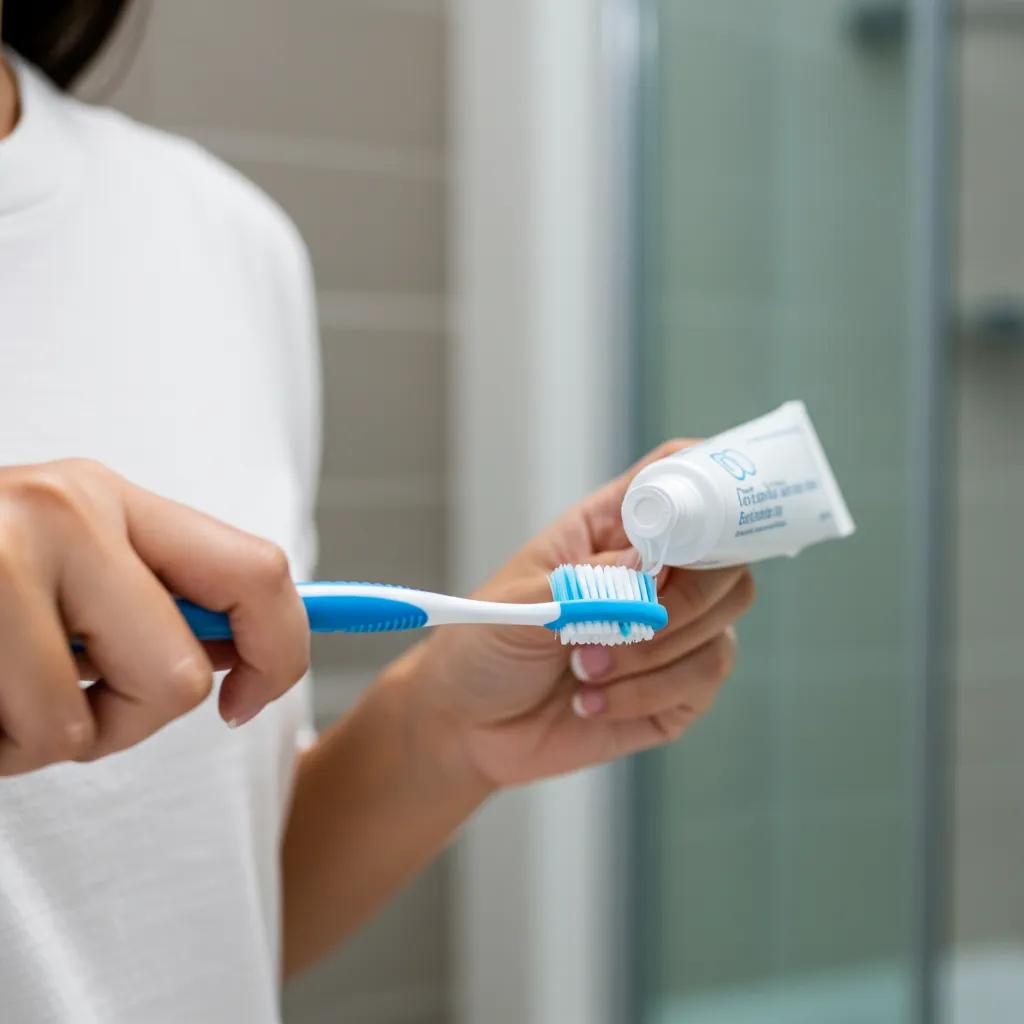
Proper aftercare significantly extends the life of bonded restorations by minimizing staining, abrasion, and trauma that accelerate wear or discoloration. Good oral hygiene—twice-daily brushing with non-abrasive toothpaste, daily flossing, and regular dental check-ups—prevents plaque buildup at restoration margins and maintains gloss. Avoiding hard foods, ice chewing, and using caution with staining substances will protect composite surfaces, and professional polishings can refresh luster during routine exams. These habits combine to keep bonding looking natural for years while guarding overall oral health.
How long does dental bonding typically last with proper care?
With diligent hygiene and sensible habits, composite bonding commonly lasts between three and ten years depending on location, bite forces, and material thickness. Anterior bonding on front teeth used mainly for aesthetics often lasts toward the higher end if not exposed to heavy wear or staining; posterior or high-stress areas may require earlier maintenance. Regular dental visits allow clinicians to monitor wear and perform minor repairs that extend service life. Longevity hinges on daily care, occlusal forces, and timely professional maintenance.
What foods and habits should you avoid to prevent staining?
Avoid prolonged exposure to strong staining agents such as coffee, red wine, tea, and tobacco to reduce discoloration risks to composite surfaces. Refrain from habits that apply concentrated force to teeth—chewing ice, opening packages with teeth, or persistent nail-biting—to prevent chips or fractures in bonded areas. When consuming staining beverages, using a straw or rinsing with water afterward can reduce contact time and help preserve color. These simple habit adjustments protect bonded restorations and support lasting aesthetics.
- Avoid coffee, red wine, and tobacco to reduce staining.
- Do not chew ice or use teeth as tools to prevent chips.
- Rinse or drink water after staining foods and use a straw where practical.
Why are regular dental check-ups important after bonding?
Routine exams allow your dentist to assess margins, polish composite surfaces, and detect small chips or stain penetration early so minor repairs can restore appearance without full replacement. Professional maintenance maintains contour, contact points, and surface gloss, which all influence both function and aesthetics. Scheduled check-ups also let clinicians advise on refinements or complementary treatments such as whitening to harmonize natural teeth with bonded restorations. Regular monitoring preserves investment and reduces the need for more extensive future work.
For residents of Lutz, Land O’ Lakes, and Wesley Chapel seeking cosmetic enhancement, Bespoke Dental offers dental bonding as a conservative, cost-effective option delivered with a patient-centered approach. The practice supports access to care through multiple financing partners and emphasizes comfort, precise shade selection, and modern finishing techniques performed by experienced clinicians.
- Bespoke Dental | 18713 N Dale Mabry Hwy, Ste B, Lutz, FL 33548 | Phone: (813) 807-4902
Frequently Asked Questions
Is dental bonding suitable for children and teenagers?
Yes, dental bonding is often suitable for children and teenagers, especially for addressing minor cosmetic issues like chips or gaps in their teeth. Since the procedure is minimally invasive and preserves tooth structure, it can be a great option for younger patients who may be self-conscious about their smiles. However, it's essential to consult with a pediatric dentist to evaluate the specific dental needs and ensure that bonding is the right choice for their developing teeth.
Can dental bonding be used for larger restorations?
While dental bonding is effective for minor repairs and cosmetic enhancements, it may not be the best choice for larger restorations. For significant structural damage or extensive decay, more durable options like crowns or inlays may be recommended. Bonding is best suited for small chips, gaps, or surface stains, where its conservative nature can be fully utilized without compromising the tooth's integrity.
How does the longevity of dental bonding compare to other cosmetic treatments?
The longevity of dental bonding typically ranges from three to ten years, depending on factors like location, bite forces, and oral hygiene practices. In comparison, porcelain veneers can last 10 to 15 years or more, while crowns may last even longer. Although bonding may not offer the same durability as these alternatives, its lower cost and ease of repair make it an attractive option for many patients seeking immediate cosmetic improvements.
What should I expect during my dental bonding appointment?
During your dental bonding appointment, you can expect a straightforward process that usually takes about an hour. The dentist will first consult with you to discuss your goals and select the appropriate shade of composite resin. After preparing the tooth surface, they will apply the bonding agent, sculpt the composite resin, and use a curing light to harden it. Finally, the dentist will polish the bonded area to ensure a natural appearance that blends seamlessly with your existing teeth.
Are there any risks or side effects associated with dental bonding?
Dental bonding is generally considered safe, with minimal risks involved. However, some patients may experience sensitivity to hot or cold temperatures after the procedure, which usually subsides over time. Additionally, while bonding is durable, it can chip or stain more easily than other materials like porcelain. Proper aftercare and regular dental check-ups can help mitigate these risks and ensure the longevity of your bonding results.
Can I whiten my teeth after getting dental bonding?
Whitening treatments may not affect dental bonding materials, as they do not respond to bleaching agents like natural teeth do. If you plan to whiten your teeth, it's advisable to do so before getting bonding to ensure a uniform color match. If your natural teeth are whitened after bonding, you may need to consider replacing or adjusting the bonded areas to maintain a consistent appearance. Always consult your dentist for personalized advice regarding whitening and bonding.
How can I maintain my dental bonding to ensure its longevity?
To maintain your dental bonding, practice good oral hygiene by brushing twice daily with non-abrasive toothpaste and flossing regularly. Avoid hard foods, ice chewing, and habits like nail-biting that can stress the bonded areas. Additionally, limit exposure to staining substances such as coffee, tea, and tobacco. Regular dental check-ups will allow your dentist to monitor the bonding and perform any necessary maintenance, helping to extend its lifespan and keep your smile looking great.
Conclusion
Dental bonding provides an effective, minimally invasive solution for enhancing your smile, offering immediate aesthetic improvements with minimal tooth alteration. This cost-effective treatment not only preserves tooth structure but also allows for quick repairs, making it an ideal choice for those seeking fast results. By choosing Bespoke Dental, you can access expert care tailored to your cosmetic needs, ensuring a beautiful and natural-looking smile. Contact us today to schedule your consultation and explore how dental bonding can transform your smile.