

Long-Term Benefits of Choosing Dental Implants
Dental implants are fixed tooth replacement that use a biocompatible post anchored in the jawbone to support a prosthetic crown, bridge, or denture. They deliver lasting value by combining material strength, a biological fusion process called osseointegration, and restoration of normal function—together addressing durability, jawbone preservation, and cost-effectiveness. Many people facing missing teeth worry about chewing, facial changes, and the long-term expense of replacements; dental implants are a durable, physiologic solution that reduces those concerns. This article explains how implant materials and biology create stability, why implants prevent jawbone loss, how implants restore chewing and speech, and how to weigh initial cost against lifetime value. Read on for clear comparisons to dentures and bridges, practical maintenance guidance, and current success-rate context so you can decide whether implants fit your long-term oral-health plan.
How Durable Are Dental Implants Compared to Other Tooth Replacement Options?
Dental implants achieve superior durability because a strong, corrosion-resistant post integrates with bone and supports a prosthetic restoration, producing a fixed replacement with minimal movement. The combination of biocompatible materials and osseointegration reduces mechanical wear and the need for frequent prosthetic replacement, which is a central durability advantage over removable dentures and conventional bridges. Below is a list of the main durability factors that determine long-term implant performance and how they differ from other options.
- Implant durability depends on the implant material, osseointegration, and proper occlusal load management.
- Bridges rely on adjacent teeth for support and often require more frequent restoration due to decay or wear.
- Dentures are subject to wear, acrylic fracture, and fit changes as the jawbone remodels over time.
These durability factors lead directly into the materials that make implants long-lasting and the biological process that secures them.
What Materials Make Dental Implants Long-Lasting?
Titanium and titanium alloys are the most common implant materials because they combine high strength with proven biocompatibility, resisting corrosion while promoting bone attachment. Zirconia is an alternative ceramic material used in select cases for metal-free restorations and offers favorable aesthetics and low plaque affinity. Surface treatments—such as roughening or specialized coatings—enhance early bone contact and accelerate biological fixation, improving long-term stability and reducing micro-movement risks.
Titanium Alloys: The Material of Choice for Dental Implants and Osseointegration
Titanium and its alloys are the materials of choice for the fabrication of dental implants. The principal reasons for this are their excellent mechanical properties, biocompatibility, and ability to osseointegrate. Osseointegration is the direct structural and functional connection between living bone and the surface of an artificial implant. This process is crucial for the long-term success of dental implants, as it ensures that the implant is securely anchored in the jawbone and can withstand the forces of chewing.
These material choices and surface technologies link directly to the biological fusion process known as osseointegration, which ensures the implant becomes a stable functional element in the jaw.
How Does Osseointegration Ensure Implant Stability Over Time?
Osseointegration is the process where bone grows intimately against the implant surface, creating a mechanical and biological interlock that stabilizes the restoration. This integration typically progresses over weeks to months and is influenced by bone quality, surgical technique, and controlled loading protocols. Successful osseointegration minimizes micromobility, reducing mechanical failure and supporting predictable long-term function.
Contemporary Concepts in Dental Implant Osseointegration: A Review
Contemporary concepts in osseointegration of dental implants: a review. To identify pertinent articles on osseointegration of dental implants, we searched PubMed, Scopus, and Web of Science databases for original research articles and reviews published from 2010 to 2022. The search terms used were "dental implant," "osseointegration," "surface modification," "biomaterials," and "bone regeneration." We included articles that discussed the mechanisms, factors influencing, and methods to improve osseointegration of dental implants.
Understanding integration timelines helps set expectations for restoration staging and subsequent restorative steps, which in turn affects expected implant lifespan.
What Is the Expected Lifespan of Dental Implants?
When placed and maintained properly, dental implants commonly last decades and can function for a lifetime, with many long-term studies reporting high survival rates at 10 years and beyond. Longevity depends on patient factors—oral hygiene, smoking status, systemic health—and prosthetic care such as crown maintenance and occlusal monitoring. Regular professional follow-up and good home care extend lifespan and reduce risks like peri-implant inflammation that can compromise outcomes.
These longevity considerations naturally raise the question of how implants preserve jawbone health compared with removable replacements.
How Do Dental Implants Help Preserve Jawbone Health?
Dental implants preserve jawbone by transmitting functional chewing forces to bone, stimulating normal remodeling and preventing the resorption that follows tooth loss. Unlike dentures, which rest on soft tissues and do not load the bone, implants maintain bone volume and facial support through direct mechanical stimulation.
Jawbone Preservation: The Bone-Preserving Effect of Dental Implants
Implant-supported prostheses have a bone-preserving effect rather than the continuing resorption that occurs with conventional dentures. The placement of dental implants and the insertion of an implant-supported prosthesis stimulate the jawbone, preventing the bone loss that typically occurs when teeth are missing. This bone-preserving effect is a significant long-term benefit of dental implants, contributing to facial structure and function.
Implants support facial structure and long-term prosthetic stability by maintaining bone height and width, thereby preserving both function and appearance. The biological mechanism of force transmission links directly to why tooth loss causes bone deterioration and how implants counteract that process.
Why Does Tooth Loss Cause Jawbone Deterioration?
Bone remodeling follows Wolff’s law: bone adapts to the mechanical loads placed upon it, so absent stimulation after tooth loss triggers resorption. Within months to years after extraction, the alveolar ridge can shrink in height and width, altering facial contours and complicating future restorative options. Early replacement with an implant helps preserve the ridge and reduces the need for extensive grafting later.
Preventing resorption through implants improves long-term restorative predictability, which leads to better functional outcomes for chewing and speech.
How Do Implants Stimulate Bone Growth and Prevent Bone Loss?
Implants stimulate bone maintenance by providing a stable load-bearing surface; controlled functional forces encourage bone deposition and remodeling around the implant surface. Implant design—such as diameter, thread pattern, and surface treatment—optimizes force distribution and biological contact. When bone volume is insufficient, grafting and staged placement allow implants to work in concert with augmentation to rebuild and preserve ridge anatomy.
This biologic preservation supports restored bite force and clearer speech, which are key quality-of-life benefits.
In What Ways Do Dental Implants Improve Chewing Function and Speech?
Dental implants restore chewing by anchoring prosthetics that reproduce natural occlusal forces, enabling patients to bite and chew a wider variety of foods with predictable pressure. Fixed restorations minimize movement during function, improving mastication efficiency and digestion through better food breakdown. The following list outlines core functional benefits patients typically regain after implant rehabilitation.
- Restored bite force enables safer and more efficient chewing of protein-rich and fibrous foods.
- Fixed stability reduces prosthetic movement that can impede clear speech and articulation.
- Improved comfort and confidence boost social interaction and dietary variety.
How Do Implants Restore Natural Bite Force and Eating Ability?
Implants transmit occlusal loads directly to bone and prosthetic components, restoring a large portion of natural bite force compared with removable dentures. Patients typically regain the ability to chew firmer foods and enjoy greater dietary options, which supports better nutrition and overall health. Prosthetic design—such as implant-supported bridges or fixed hybrid dentures—tailors force distribution to preserve both implants and opposing dentition.
Restored bite force and stability are closely connected to improvements in speech, since movement-free prosthetics provide consistent oral geometry for articulation.
How Do Dental Implants Enhance Speech Clarity Compared to Dentures?
Fixed implant restorations remain stable during speaking, eliminating the slipping or clicking that often causes lisps or muffled sounds with removable appliances. That stability preserves consistent tongue-to-palate relationships and allows predictable articulation, with most patients adapting within weeks. Simple speech exercises and gradual adaptation speed recovery of clear enunciation after prosthetic placement.
Improved speech and chewing together contribute to durable quality-of-life improvements that often justify the initial investment in implants.
Are Dental Implants a Cost-Effective Long-Term Investment?
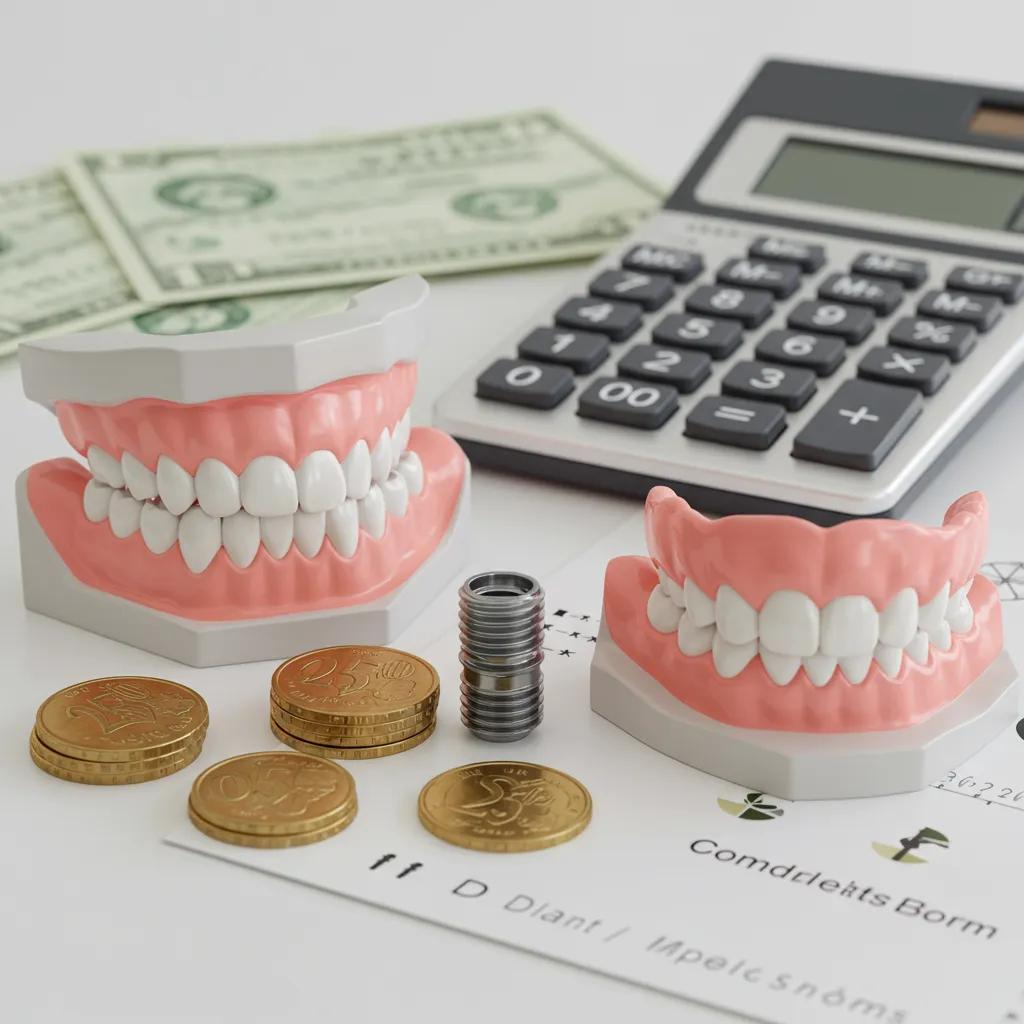
Yes—dental implants are often cost-effective over the long term because their durability and bone-preserving effect reduce the need for repeated prosthetic replacements and secondary restorative work. While the initial investment is higher than a denture or bridge, implants typically require less frequent replacement and lower cumulative maintenance, producing favorable lifetime value. Consider this comparative financial table for illustrative lifecycle costs over multiple decades.
Replacement OptionInitial Cost RangeLong-Term Maintenance CostTypical Replacement IntervalSingle dental implantModerate to highLow (annual exams, hygiene)Often 20+ years, frequently lifelongDental bridgeLower initialModerate (repairs, adjacent tooth treatment)10–15 yearsRemovable dentureLowest initialModerate to high (relines, remakes)5–10 years
How Do Initial Costs Compare to Long-Term Savings?
Over 10–30 years, cumulative costs for bridges and dentures can exceed implant solutions when accounting for replacements, relines, and secondary dental care associated with bone loss. Implants’ durability and bone-preserving benefits often create a break-even point within the first decade, after which implants deliver lower ongoing costs and superior function. Individual circumstances vary, so scenario-based estimates help patients evaluate value against personal health and lifestyle goals.
What Financing Options Make Dental Implants Accessible?
Many practices partner with flexible third-party financing to split costs into manageable monthly payments, making implants more attainable without delaying treatment. Common financing partners include Sunbit, Cherry, Alpheon Credit, CareCredit, and LendingClub, each offering different term options and qualification criteria. Discussing available plans with a clinic financial coordinator clarifies monthly payments and helps patients select an option that fits their budget.
For residents in Lutz, Land O' Lakes, and Wesley Chapel looking for local care, financing can make implant treatment a practical long-term investment.
What Are the Success Rates and Patient Satisfaction Levels for Dental Implants?
Clinical research and long-term cohort studies consistently report high implant survival and success rates—often exceeding 90% at 10 years—when placed in appropriate candidates and maintained with good hygiene. Success depends on proper patient selection, surgical technique, and ongoing peri-implant care to prevent complications like peri-implantitis. The following list summarizes the primary drivers of successful long-term outcomes.
- Precise surgical placement and prosthetic design to control load and fit.
- Patient health and oral hygiene that minimize biological risk factors.
- Regular professional maintenance to detect and manage inflammation early.
What Clinical Studies Support High Implant Success Rates?
Recent meta-analyses and long-term follow-up studies indicate implant survival rates commonly exceed 90% at ten years, with variations due to study population and methodology. Professional organizations recognize implants as a predictable option for tooth replacement, and contemporary research emphasizes prevention and management of biological complications. Clinical evidence supports implants’ role in long-term oral rehabilitation when best practices are followed.
How Do Local Patient Testimonials Reflect Long-Term Benefits?
Local patients report durable function, improved eating comfort, and greater confidence after implant treatment, reflecting the broader clinical results seen in the literature. Bespoke Dental in Lutz provides implant-focused services delivered by an expert team—including an oral surgeon—and emphasizes personalized care, advanced technology, and IV sedation options where appropriate. Residents of Lutz, Land O' Lakes, and Wesley Chapel who consider implants can inquire about financing partners and scheduling to learn how implant therapy might fit their long-term oral-health goals.
For a consultation about dental implants and personalized financing options, contact Bespoke Dental at their Lutz location to discuss treatment planning, team expertise, and available payment plans including Sunbit, Cherry, Alpheon Credit, CareCredit, and LendingClub. Their approach—"Your Smile Your Way"—focuses on individualized care, advanced technology, and comprehensive services to help patients achieve lasting results.
Frequently Asked Questions
What are the potential risks associated with dental implants?
While dental implants are generally safe, there are potential risks involved, including infection at the implant site, nerve damage, and sinus issues if the implant protrudes into the sinus cavity. Additionally, improper placement can lead to implant failure. It's crucial to choose a qualified dental professional and follow post-operative care instructions to minimize these risks. Regular check-ups can also help in early detection and management of any complications that may arise.
How do I care for my dental implants?
Caring for dental implants is similar to caring for natural teeth. Regular brushing and flossing are essential to maintain oral hygiene and prevent periimplantitis, an inflammatory condition affecting the tissues around the implant. Additionally, routine dental check-ups and professional cleanings are recommended to ensure the longevity of the implants. Patients should also avoid hard foods that could damage the prosthetic components and maintain a balanced diet to support overall oral health.
Can anyone get dental implants?
Most adults are candidates for dental implants, but certain factors can affect eligibility. Good oral health, sufficient jawbone density, and healthy gums are essential for successful implantation. Conditions such as uncontrolled diabetes, smoking, or certain autoimmune diseases may complicate the procedure. A thorough evaluation by a dental professional will determine if implants are a suitable option based on individual health and dental conditions.
How long does the dental implant procedure take?
The dental implant procedure typically involves multiple stages and can take several months to complete. Initially, the implant is surgically placed into the jawbone, which requires a healing period of several weeks to months for osseointegration to occur. After successful integration, the prosthetic crown or bridge is attached. The total time frame can vary based on individual healing rates and whether additional procedures, like bone grafting, are necessary.
Are there alternatives to dental implants?
Yes, there are several alternatives to dental implants, including dental bridges and removable dentures. Bridges involve anchoring a prosthetic tooth to adjacent teeth, while dentures are removable appliances that replace multiple missing teeth. Each option has its pros and cons regarding durability, maintenance, and cost. Consulting with a dental professional can help determine the best solution based on individual needs and circumstances.
What should I expect during the recovery process after implant surgery?
After dental implant surgery, patients can expect some swelling, bruising, and discomfort in the treated area, which can be managed with prescribed pain medication. A soft food diet is recommended for the initial healing period. It's important to follow post-operative care instructions, including avoiding strenuous activities and maintaining oral hygiene. Regular follow-up appointments will help monitor healing and ensure the implant is integrating properly with the jawbone.
Conclusion
Choosing dental implants offers significant long-term benefits, including enhanced durability, jawbone preservation, and improved chewing function. These advantages not only address immediate concerns about missing teeth but also contribute to overall oral health and quality of life. For those considering this investment, exploring personalized financing options can make dental implants a practical choice. Contact Bespoke Dental today to learn more about how implants can transform your smile and support your long-term health goals.