


Identifying Impacted Teeth: 8 Common Symptoms You Should Never Ignore
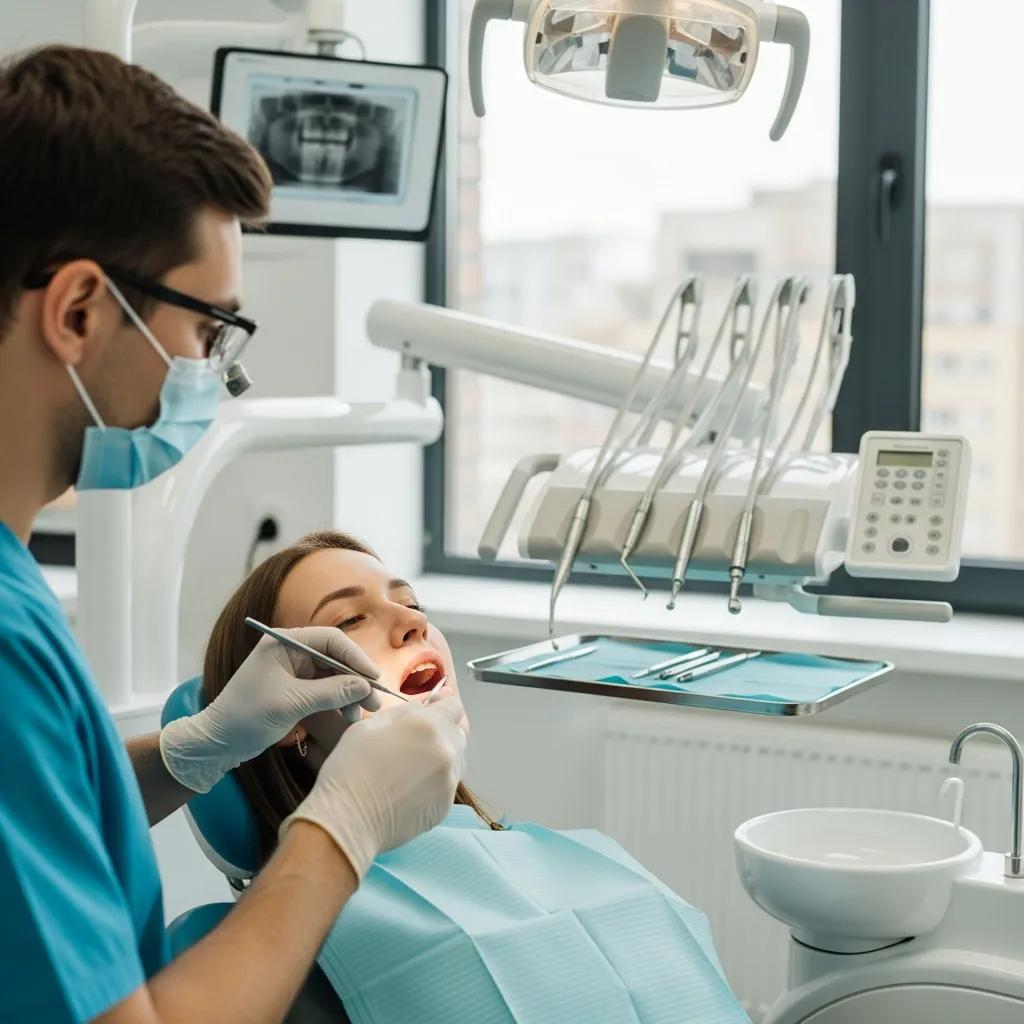
An impacted tooth is a tooth that fails to fully erupt through the gum line because of obstruction, abnormal angulation, or lack of space, and early recognition reduces the risk of infection, cyst formation, and shifting of adjacent teeth. This article explains how impaction develops, describes eight common symptoms indicating you might have an impacted tooth, and outlines when to seek professional diagnosis and treatment options. Readers will learn to spot warning signs such as persistent jaw pain, swollen gums, difficulty opening the mouth, and changes in tooth alignment, plus practical next steps for triage and care. We’ll cover diagnostic tools like clinical exam and imaging, compare monitoring versus extraction, and explain when oral surgery or sedation may be appropriate. The goal is to help you identify symptoms of an impacted tooth—especially signs of an impacted wisdom tooth—and decide when to consult a dental team in Lutz, Florida.
What Is an Impacted Tooth? Understanding the Condition
An impacted tooth is a dental condition in which a tooth remains partially or completely below the gum or bone, preventing normal eruption and function. Mechanistically, impaction occurs when the eruption path is blocked by a lack of space, abnormal angulation, or overlying soft tissue and bone, which can cause inflammation, infection, or pressure on adjacent teeth. Recognizing impaction early preserves oral health by preventing pericoronitis, tooth decay in hard-to-clean areas, and orthodontic crowding. Below, we define common impaction types and set the stage for how these structural issues create the symptoms described later in the article.
Research further underscores how these mechanical issues contribute to the development of impacted wisdom teeth and their associated inflammatory conditions.
Impacted Wisdom Teeth: Causes, Symptoms & Complications
Impacted wisdom teeth occur because of a lack of space, obstruction, or abnormal position. They can cause inflammatory dental disease manifested by pain and swelling of infected teeth and may destroy adjacent teeth and bone.
Impacted wisdom teeth, TB Dodson, 2014
Dental teams can evaluate eruption patterns and eruption timing during routine exams, and local clinics can arrange imaging or specialist referral when impaction is suspected. Bespoke Dental in Lutz, Florida offers diagnostic exams and imaging workflows to identify impacted teeth and determine whether monitoring, referral, or surgical management is indicated. Understanding how impaction develops and where it typically occurs helps patients anticipate symptoms and follow up promptly with their dentist.
How Does Tooth Impaction Occur?
Tooth impaction occurs when the normal eruption path is disrupted by physical or developmental factors that block emergence into the mouth. Common mechanisms include insufficient jawroom from evolutionary jaw-size variation, abnormal tooth angulation that points the crown into neighboring roots or bone, and developmental delays in eruption timing that leave a tooth trapped. These factors create pressure against surrounding structures, leading to localized inflammation and potential infection if food and bacteria collect beneath soft tissue. Understanding these mechanisms clarifies why impaction frequently produces specific symptoms such as pain, swelling, and shifting of nearby teeth, which we address next.
Tooth impaction is not merely a local failure to erupt; it is a mechanical problem that interacts with oral hygiene, occlusion, and patient age. When impaction is suspected, diagnostic imaging reveals the tooth’s angulation and relation to the jawbone and neighboring roots—information that directly informs management decisions and whether referral to an oral surgeon is appropriate.
Which Teeth Are Commonly Impacted?
Certain teeth are more prone to impaction due to eruption timing and anatomical factors, with the third molars (wisdom teeth) being the most frequent. Wisdom teeth erupt last when jaw growth is often complete, so they commonly lack space and present horizontal, angular, or mesioangular impactions. Upper and lower canines are another common group of impacted teeth; impacted canines matter for orthodontic alignment and long-term occlusion. Less commonly, premolars or second molars can be unerupted due to cysts, supernumerary teeth, or developmental anomalies, and each affected tooth type carries different implications for treatment.
Knowing which tooth is impacted helps predict likely complications: an impacted wisdom tooth often contributes to pericoronitis or adjacent molar decay, while an impacted canine can cause orthodontic crowding and root resorption of neighboring teeth. This classification guides both monitoring strategies and the choice between conservative and surgical intervention.
Indeed, further studies confirm the extensive range of pathological changes and risks associated with impacted wisdom teeth.
Pathological Changes & Risks of Impacted Wisdom Teeth
Impacted wisdom teeth may be associated with pathological changes, such as pericoronitis, root resorption, gum and alveolar bone disease (periodontitis), caries and the development of cysts and tumours.
Surgical removal versus retention for the management of asymptomatic disease‐free impacted wisdom teeth, 2016
What Are the 8 Common Symptoms of Impacted Teeth?
This section lists eight common symptoms that frequently indicate an impacted tooth, explains how each symptom presents, and offers immediate action guidance. Use these signs to assess urgency and communicate clearly with your dental provider if you suspect impaction.
- Persistent jaw pain or tenderness: Localized pain near the affected area that worsens with chewing or pressure may signal impaction-related inflammation.
- Swollen, red, or bleeding gums: Inflammation or pericoronitis around a partially erupted tooth often presents as erythematous, tender gum tissue that can bleed.
- Difficulty opening your mouth (trismus): Restricted jaw opening can indicate muscle spasm or infection extending from an impacted tooth.
- Bad breath or unpleasant taste: Food and bacteria trapped around an impacted tooth commonly produce malodor and a persistent metallic or sour taste.
- Headaches or jaw aches: Referred pain from impacted tooth inflammation can present as headaches or temporomandibular discomfort.
- Crowding or shifting of adjacent teeth: A tooth pressing on neighbors can lead to visible alignment changes or bite changes over time.
- Swollen lymph nodes: Tender submandibular or cervical lymph nodes suggest a spreading inflammatory or infectious process.
- Visible cyst or fluid-filled swelling: Long-standing impaction can be associated with cyst formation, palpable swelling, or radiographic lesions.
Persistent Jaw Pain or Tenderness: What Does It Indicate?
Persistent jaw pain near a specific tooth typically indicates localized inflammation or pressure from an impacted tooth, which can also reflect referred pain patterns through shared nerve pathways. Pain that is sharp with chewing, or dull and constant at rest, suggests differing pathologies—chewing-related pain often indicates mechanical pressure while constant pain may point to infection or nerve involvement. If pain is accompanied by swelling, fever, or rising intensity over 48–72 hours, escalation to urgent dental care is warranted. Accurate diagnosis centers on clinical palpation and imaging to determine whether the source is the impacted tooth itself, adjacent tooth decay, or a temporomandibular disorder.
This symptom’s clinical significance is that pain often motivates patients to seek care; early evaluation prevents progression to abscess or deeper infection, which makes imaging and possible referral the next steps.
Swollen, Red, or Bleeding Gums Around Impacted Teeth
Swollen or inflamed gum tissue at the site of a partially erupted tooth often reflects pericoronitis, an infection of the soft tissue flap overlying the tooth, leading to redness, tenderness, and intermittent bleeding. Food and bacteria trapped under this flap create a nidus for infection; patients may notice worse symptoms when biting down or after eating. Management begins with improved local hygiene and antiseptic rinses, but persistent or recurrent inflammation requires professional cleaning, possible antibiotics, and evaluation for extraction. Recognizing inflamed gums early prevents the infection from involving adjacent teeth or deeper tissues.
Untreated pericoronitis commonly recurs; therefore, when inflammation persists despite home care, dental assessment and imaging should follow to determine whether removal of the impacted tooth is the best long-term solution.
How Do Other Symptoms Signal Impacted Teeth?
Some symptoms are secondary or systemic manifestations of impaction but provide important clues about severity and spread. This section explains how those signs develop, what they commonly indicate, and when they suggest escalation.
Impacted teeth can produce signs beyond localized dental pain because infection, inflammation, and pressure interact with muscles, lymphatics, and neural pathways. By recognizing patterns—such as halitosis with local inflammation or trismus with spread to masticatory muscles—patients can better describe their symptoms to clinicians and speed appropriate care.
Difficulty Opening Your Mouth: Causes and Effects
Difficulty opening the mouth, or trismus, occurs when inflammation or infection from an impacted tooth affects the masticatory muscles or the temporomandibular joint, restricting normal range of motion and making eating and speaking uncomfortable. Trismus can appear quickly with spreading infection or develop gradually with chronic inflammation and scarring; it often signals a higher level of urgency because it impairs oral intake and may indicate deep-space infection. Short-term measures include warm compresses, gentle jaw exercises, and antiseptic rinses, but persistent or worsening trismus requires prompt dental evaluation and likely imaging. When trismus accompanies fever or rapidly increasing swelling, immediate professional treatment is necessary to prevent airway compromise and further spread.
Trismus often coexists with other red flags like fever and swollen lymph nodes, so its presence should prompt timely imaging and possible referral to an oral surgeon.
Bad Breath or Unpleasant Taste: Is It an Infection?
A persistent bad taste or halitosis localized to one area of the mouth often reflects bacterial colonization around an impacted tooth where food debris accumulates and cannot be effectively cleared. Pericoronal pockets trap anaerobic bacteria that produce volatile sulfur compounds, leading to foul odor and metallic taste; transient rinses may provide temporary relief but do not address the underlying cause. If bad breath persists despite excellent oral hygiene, professional assessment can identify trapped debris, perform debridement, and evaluate for infection requiring antibiotic therapy or extraction. Treating the source rather than masking the symptom is essential to prevent recurrence and systemic spread.
When bad breath is accompanied by swelling, pain, or purulent discharge, clinicians should consider targeted antimicrobial treatment and definitive removal of the impacted source.
What Are Additional Signs to Watch For?
Beyond the more obvious symptoms, watch for subtler signs that suggest longer-term consequences or spreading disease. These include referred pain patterns and structural changes to the dental arch that often require interdisciplinary management.
Understanding these additional signs helps patients and providers differentiate transient irritation from progressive problems requiring intervention. Detecting crowding or referred headaches early allows timely orthodontic or surgical planning to preserve function and aesthetics.
Headaches and Jaw Aches: Understanding Referred Pain
Headaches and aching in the jaw can be referred pain from dental sources because sensory nerves in the jaw and face converge, causing pain to be perceived in non-dental regions such as the temples or behind the eye. Patients may report tension-like headaches worsened by chewing or jaw movement, which differentiates dental referral from primary migraines or tension-type headaches. Distinguishing referred dental pain often requires correlating the headache with dental symptoms and performing targeted oral exams and imaging. If dental origin is suspected, treating the impacted tooth or infection typically relieves the referred pain.
Referral patterns mean that not all head pain is dental, but when headaches coincide with other oral symptoms, dental evaluation should be part of the diagnostic workup.
Crowding or Shifting of Adjacent Teeth: What It Means
An impacted tooth can exert pressure on neighboring teeth, slowly altering alignment and causing crowding, spacing, or bite changes that become noticeable over months to years. This mechanical influence can lead to malocclusion, tooth wear, and aesthetic concerns that often require orthodontic input after resolution of the impaction. Early detection of shifting by a dentist allows time to weigh options—extraction to relieve pressure versus orthodontic strategies to preserve alignment. If crowding progresses, more complex combined treatment (surgical plus orthodontic) may be necessary to restore proper occlusion.
Addressing the cause of shifting is essential; simply correcting alignment without removing the source of pressure risks recurrence.
When Should You Seek Diagnosis for Impacted Teeth?
Knowing when to seek diagnosis helps prioritize care: some symptoms warrant prompt assessment, while others can be monitored. This section lists red-flag signs and outlines the diagnostic workflow clinicians use, including the imaging modalities that reveal impaction anatomy.
Seek evaluation promptly for signs of spreading infection, severe pain, trismus, fever, or progressive swelling, and arrange routine assessment for persistent local symptoms like recurrent gum inflammation or shifting teeth. The diagnostic pathway typically includes a focused oral exam followed by radiographic imaging to determine the tooth’s position, angulation, and relationship to vital structures, informing treatment planning. Local dental practices provide initial assessment and can coordinate advanced imaging or surgical referral when indicated.
Summary: Red flags such as fever, trismus, or rapid swelling require immediate attention, while chronic or mild symptoms may be managed with scheduled dental evaluation and imaging.
How Is an Impacted Tooth Diagnosed?
Diagnosis begins with a clinical exam where the dentist inspects the gum line, palpates for swelling or fluctuance, and assesses occlusion and pain triggers; this clinical evaluation identifies suspected impaction sites. Imaging confirms the diagnosis: common modalities include periapical radiographs and panoramic x-rays to visualize tooth position, with cone-beam CT (CBCT) reserved for complex cases to map root proximity to nerves and sinuses. Together, exam and imaging form a knowledge graph of relationships—impacted tooth → proximity → nerve/adjacent-root relationship—that determines whether monitoring, conservative care, or surgical extraction is appropriate. Based on findings, the dentist will discuss options and, if necessary, refer to an an oral surgeon for definitive management.
This stepwise diagnostic pathway ensures that treatment balances risks and benefits by using imaging to define anatomy before any invasive intervention.
When Is It Time to See an Oral Surgeon in Lutz, FL?
Referral to an oral surgeon is appropriate for complex impactions—such as deeply buried teeth, teeth with roots near nerves or sinuses, recurrent infections, or cystic changes—and for cases requiring surgical expertise for safe extraction. Bespoke Dental’s care model includes coordination with an oral surgery team and access to clinicians experienced in wisdom tooth extraction and general extractions, and they can arrange assessments for patients in Lutz, Florida. Board-certified oral surgeon Dr. Tarik Elmohd is part of the local care ecosystem noted for surgical competence; when advanced imaging or sedation is needed, a surgical consultation clarifies risks and the operative plan. If you experience red-flag symptoms or imaging shows complexity, scheduling a surgical consult is the logical next step.
Patients in Lutz can contact Bespoke Dental by phone to discuss symptoms, arrange imaging such as CBCT, and book a consultation with the oral surgery team to review options and timelines.
What Treatment Options Are Available for Impacted Teeth?
Treatment choices range from active monitoring to surgical extraction, and the decision depends on symptom severity, infection status, tooth position, and patient-specific factors. Conservative management is acceptable for asymptomatic, well-positioned impactions, while infected or damaging impactions typically require extraction. This section compares options, sets recovery expectations, and outlines comfort measures—including sedation—available during surgical care.
Choosing between monitoring and removal involves balancing the risks of future complications versus the risks and recovery associated with surgery. Where surgery is chosen, oral surgery protocols and sedation options aim to minimize discomfort and speed recovery; clinicians will discuss individualized plans and follow-up care.
Summary: Monitoring suits low-risk cases, while extraction is recommended for symptomatic or damaging impactions. Sedation options improve patient comfort for complex procedures.
Monitoring and Non-Surgical Management: When Is It Appropriate?
Monitoring is appropriate when an impacted tooth is asymptomatic, has no signs of infection or cyst, and poses minimal risk to adjacent structures; clinicians typically schedule periodic exams and radiographs to track changes. Non-surgical measures for symptomatic but superficial inflammation include improved oral hygiene, peroxide or chlorhexidine rinses, and short courses of antibiotics when bacterial infection is confirmed. The decision to continue monitoring should change if symptoms recur, if radiographs show progressive pathology, or if the impacted tooth begins to disturb alignment. Regular documentation and imaging create a timeline that informs the shift from watchful waiting to active intervention when necessary.
Monitoring preserves tooth structures when safe, but patients must understand the triggers that indicate escalation to definitive treatment.
Oral Surgery and Tooth Extraction: What to Expect
When extraction is indicated, the oral surgery process begins with a pre-operative assessment, imaging review, and discussion of anesthesia or sedation options tailored to the case and patient comfort. For many patients, IV sedation is available to manage anxiety and make longer procedures more tolerable, and digital imaging informs incision planning, bone removal, and tooth sectioning techniques to minimize trauma. Postoperative recovery typically includes localized swelling and mild pain controlled with prescribed medications and home-care instructions, and follow-up ensures proper healing and addresses complications early. Bespoke Dental’s surgical workflow emphasizes patient comfort, advanced imaging for planning, and coordinating care for restorative or orthodontic follow-up when needed.
Patients should expect clear pre-op instructions, sedation options for comfort, and stepwise postoperative guidance to speed recovery and reduce complications. Call today to schedule your consultation!