

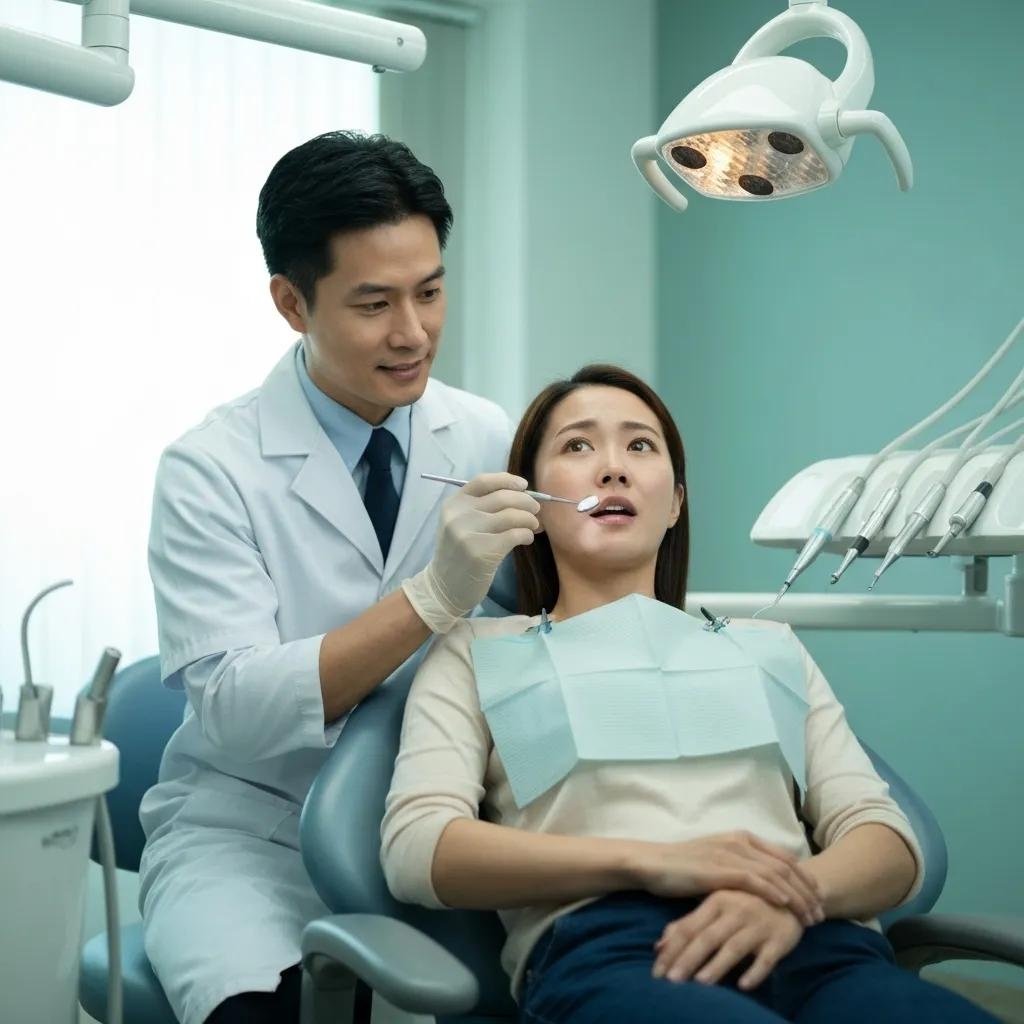
Emergencies

When a dental emergency happens, you need clear, practical steps and fast access to care — especially if pain, infection, or injury is threatening your health or ability to eat, speak, or breathe. This guide walks you through the most common dental emergencies, how to triage symptoms safely at home, and when to see an emergency dentist or oral surgeon in Lutz, FL. You’ll learn how clinicians decide on emergency tooth extractions, how those procedures are done, and simple first-aid measures to ease severe tooth pain before you reach the office. We also compare urgent treatments — antibiotics, drainage, root canal therapy, and extractions — and outline typical cost ranges and financing options so you can prepare. Finally, find out how Bespoke Dental in Lutz coordinates same-day urgent oral surgery and extractions when cases require an oral surgeon. Read on for clear decision cues, practical first-aid steps, treatment comparisons, and next steps to get prompt relief.
What Are the Most Common Dental Emergencies That Need Urgent Care?
A dental emergency is any oral problem that risks spreading infection, uncontrolled pain, or loss of function and needs prompt professional evaluation. Many urgent cases require imaging (dental X-rays or CBCT) to guide treatment. Spotting these conditions early helps prevent complications like spreading infection, sepsis, or permanent tooth loss. Below is a concise list of frequent emergencies and why they matter.
Common dental emergencies include:
- Severe toothache or a dental abscess — sharp, throbbing pain that may worsen when you lie down or come with fever.
- Knocked-out (avulsed) teeth or teeth broken down to the root — both risk permanent loss without quick action.
- Impacted wisdom teeth that lead to fast-spreading infection or pronounced swelling.
- Facial trauma causing jaw pain, bite misalignment, or uncontrolled bleeding that may need urgent oral surgery.
Which Symptoms Point to a Severe Toothache or Dental Abscess?
A severe toothache or abscess usually presents as persistent, throbbing pain focused on one tooth or area, swelling of the face or gums, and sometimes fever. Pus drainage or a foul taste strongly suggests an active infection. You may notice pain that gets worse when you lie flat, swollen lymph nodes, trouble opening your mouth, or difficulty swallowing — signs the infection could be spreading. Systemic symptoms such as fever, chills, or overall malaise raise concern for cellulitis or sepsis and require urgent professional assessment. If breathing becomes difficult or swelling advances rapidly, go to the emergency department; otherwise arrange urgent dental care right away to limit complications.
Dental abscesses are common infections; how serious they become depends on the bacteria involved, the person’s health, and local anatomy.
Understanding Dental Abscesses: Causes, Consequences, and Microbiology
A dental abscess is typically a mixed bacterial infection. Its course depends on bacterial virulence, host defenses, and regional anatomy. If left unchecked, an abscess can cause significant illness. Common organisms include anaerobic bacteria (for example, Prevotella and Fusobacterium species) and certain streptococci that commonly inhabit the oral cavity.
How Should Knocked-Out or Broken Teeth Be Handled Immediately?
A knocked-out (avulsed) tooth is time-critical — replanting within about an hour gives the best chance to save it. For an avulsed tooth, keep it moist (milk or saline is OK), touch only the crown (not the root), and control bleeding with gentle pressure. For broken or fractured teeth, temporary steps like covering exposed dentin or gentle splinting (when possible) can reduce pain and protect the pulp until you get care. Fast transport to an emergency dental provider preserves treatment options — replantation, root canal therapy, or extraction — so arrange urgent care as soon as possible.
When Is Emergency Tooth Extraction Needed for Quick Relief?
Emergency extraction is recommended when a tooth is the source of uncontrolled infection, has a severe irreparable fracture, or is causing systemic symptoms or airway risk. Removing the tooth takes away the source of infection and often delivers fast pain relief. Clinicians decide on extraction after an exam and imaging show that conservative measures (like root canal therapy or temporary stabilization) are unlikely to control the infection or save the tooth. Extractions range from simple to surgical depending on root shape and impaction, and we use local anesthesia and sedation options to keep you comfortable.
What Conditions Usually Lead to Emergency Tooth Removal?
Emergency tooth removal is often needed when infection keeps spreading despite antibiotics, when a tooth is broken below the gum line and can’t be rebuilt, or when a loose tooth from severe periodontal disease threatens systemic spread. Impacted third molars that cause pericoronitis or soft-tissue infection may also need urgent surgical removal to stop the spread and ease severe pain. Rising fever, growing facial swelling, and enlarged lymph nodes are clinical signs that infection is escalating and may favor extraction over conservative treatment. In emergencies, clinicians focus on quickly removing the infection source and stabilizing the patient, including antibiotics when indicated.
How Is an Emergency Tooth Extraction Done Safely and Comfortably?
Emergency extraction starts with a focused exam and imaging to map roots and nearby structures. We use local anesthesia and, when needed, sedation or IV anesthesia for anxious or complex cases. Simple extractions remove a tooth with forceps after the area is numb; surgical extractions (impacted or fractured roots) may require small flaps, limited bone removal, and sutures. Post-op pain control usually combines short-term prescription pain medication with clear home-care instructions and warning signs to watch for. Antibiotics are prescribed when an infection or risk of spread is present. Careful planning and modern anesthesia options minimize discomfort and help you recover smoothly before restorative follow-up.
When you’re ready to arrange urgent extraction care, Bespoke Dental in Lutz offers expedited scheduling with clinicians experienced in emergency extractions and oral surgery. The practice accepts same-day appointments and convenient online booking or phone scheduling to connect you with timely surgical care.
How Can Severe Tooth Pain Be Relieved Quickly Before You See a Dentist?
Short-term pain control focuses on safe measures that reduce inflammation and swelling while you wait for professional care. These steps can make you more comfortable and help prevent the problem from getting worse. Effective first-aid addresses pain, local swelling, and tissue irritation with pain relievers, cold therapy, and antiseptic rinses — and avoids topical applications that can burn tissue. The numbered list below shows prioritized steps to follow before you reach an emergency dental office.
Follow these immediate steps for severe toothache relief:
- Take an appropriate over-the-counter pain reliever (acetaminophen or an NSAID) following the label or your clinician’s advice to lower pain and inflammation.
- Use a cold compress on the cheek for 10–15 minute intervals to reduce swelling and numb the area.
- Rinse gently with warm saltwater (½ teaspoon salt in 8 ounces of water) to clean the area and soothe tissues.
- Don’t place aspirin or other medicines directly on the gum, and avoid chewing on the affected side to prevent more trauma.
These steps may control symptoms briefly, but if pain persists or worsens, or if you develop fever or spreading swelling, seek immediate professional care rather than relying on home remedies.
What Should You Do Right Away for Severe Toothache?
Start with systemic pain relief and simple physical measures: take a recommended dose of acetaminophen or an NSAID, keep your head elevated to reduce blood flow to the painful area, and alternate cold compresses to manage swelling. Saltwater rinses clear debris and can calm irritated tissues; avoid hot drinks and hard foods that could aggravate exposed dentin or soft tissue. Over-the-counter topical anesthetics aren’t recommended for long use because they can hide worsening infection and irritate mucosa. If pain doesn’t improve within a few hours or swelling increases, arrange urgent dental care right away.
When Should You Seek Professional Emergency Dental Care for Pain?
Get emergency dental care if pain can’t be controlled with OTC medicines, swelling is increasing, fever or other systemic symptoms appear, or you have trouble breathing or swallowing — these are red flags for spreading infection that may threaten your airway or general health. Also seek urgent evaluation for knocked-out or fractured teeth, prolonged bleeding, or signs of sepsis such as confusion or low blood pressure. For severe but not life-threatening pain, contact an emergency dentist for same-day evaluation and treatments like drainage, antibiotics, or extraction as needed. Prompt care can prevent worsening and preserve options such as root canal therapy, splinting, or restorative work.
What Are the Best Treatments for Dental Abscesses and Infection Emergencies?
Treating a dental abscess quickly requires diagnosis and a focused plan: local drainage, appropriate antibiotics, and either definitive root canal therapy to save the tooth or extraction when the tooth can’t be restored or the infection is out of control. Diagnosis combines clinical signs — localized swelling, fluctuant areas, and pus — with imaging (X-rays or CBCT) to check bone involvement. Deciding which route to take depends on the tooth’s restorability, the patient’s overall health, and the risk of spread to adjacent spaces.
If surgical care is required quickly, Bespoke Dental provides in-office oral surgery to perform drainage and extractions, coordinate effective pain control with appropriate anesthesia, and plan restorative follow-up to restore function.
How Is a Dental Abscess Diagnosed and Treated in an Urgent Setting?
Diagnosing an abscess combines your history, a focused exam, and imaging to pinpoint the infection and assess bone involvement. A fluctuant area on exam and a periapical radiolucency on X-ray strongly suggest a periapical abscess. Immediate care often includes incision and drainage when there’s a localized collection, plus empiric antibiotics if there are systemic signs or spreading infection. If the tooth is salvageable, urgent root canal therapy can remove the intraradicular source. If the tooth is compromised or a root canal is unlikely to succeed, extraction removes the nidus. Close follow-up, and referral to an oral surgeon for complex drainage or surgical extraction when needed, complete comprehensive management.
Can Root Canal Therapy or Extraction Resolve Dental Abscesses?
Yes. Root canal therapy eradicates the infection when the tooth can be predictably cleaned, shaped, and sealed — preserving the tooth and resolving infection over days to weeks. Extraction removes the infected tooth, providing immediate source control when the tooth is fractured, non-restorable, or infection has spread past salvageable limits. Recovery varies: drainage plus antibiotics often reduces acute symptoms within 24–72 hours; root canal therapy may require staged visits and several weeks for full resolution; extraction removes the infection source immediately and healing proceeds over days. The final choice balances tooth prognosis, your preferences, and how urgent infection control needs to be.
Why Choose Bespoke Dental for Emergency Care in Lutz, FL?
Bespoke Dental provides coordinated emergency care backed by clinical experience and technology that improve outcomes in complex urgent cases. We offer same-day scheduling and multiple pain-control options to stabilize patients quickly. Our office integrates oral surgery capabilities for difficult extractions and facial trauma, pairing surgical expertise with advanced diagnostics so treatment decisions are faster and more accurate. Below are specific reasons patients trust our team when urgent dental care is needed.
Key reasons patients choose this practice include:
- Oral surgery leadership for complex emergencies and facial trauma.
- Advanced imaging and sedation choices to ensure accurate diagnosis and patient comfort.
- Personalized continuity of care that moves smoothly from emergency treatment to restorative planning.
These features help patients get the right urgent interventions and a clear plan for recovery and restoration. The next section highlights our clinical strengths.
How Does Dr. Tarik Elmohd’s Oral Surgery Expertise Help Emergency Patients?
Dr. Tarik Elmohd is a board-certified oral surgeon whose training in implants and facial trauma equips him to handle complex emergency scenarios beyond routine office care. Surgical removal of impacted or fractured teeth, management of facial injuries, and coordination for jaw surgery are areas where his expertise reduces complications and improves outcomes. Board certification and specialty training mean complex anatomy and trauma cases are managed with thoughtful surgical planning, which shortens procedure time and enhances patient safety. When severe infection or trauma is present, access to an oral surgeon streamlines urgent care and reconstructive planning.
What Technologies Help Ensure Precise, Comfortable Emergency Care?
Advanced imaging (dental X-ray and CBCT) helps locate pathology precisely and plan surgery, reducing surprises and improving safety for extractions and drainage. Modern anesthesia and sedation options — from local anesthesia with light sedation to IV sedation — make emergency procedures comfortable even for anxious or complex cases. High-quality surgical instruments and sutures support wound management and healing, and digital workflows speed treatment planning and restorative coordination after urgent care. Together, these tools reduce risk, shorten recovery, and improve comfort during emergency dental care.
How Much Does Emergency Dental Care Cost and What Financing Is Available?
Emergency dental costs vary with procedure complexity, anesthesia needs, and required diagnostics. Simple extractions cost less than surgical removal of impacted teeth, and urgent surgical procedures with sedation increase fees. Transparent price ranges help you plan, though the exact cost depends on clinical factors identified at evaluation.
Bespoke Dental offers financing and third-party payment plans to help manage emergency dental bills, and we encourage patients to call or use our online booking to discuss cost estimates, payment options, and same-day availability. Financing can remove barriers so urgent treatment proceeds without unnecessary delay.
We know cost is a major concern for many patients. Clear pricing and available resources make it easier to get the care you need when time matters.
Dental Emergency Visits to the ER: Costs and Community Resources
Dental-related visits to hospital emergency departments are common and can be costly. Studies looking at ED dental visits, local provider workflows, and community dental resources show many patients rely on emergency care when routine dental access is limited. Understanding those care patterns and local resources helps guide better community responses.
What Are Typical Prices for Emergency Tooth Extraction and Urgent Treatments?
Typical pricing hinges on whether the extraction is simple or surgical: simple extractions tend to be at the lower end and are usually done under local anesthesia, while surgical extractions for impacted or broken roots take more time and skill and may include sedation, which raises cost. Other factors that affect price include the need for CBCT imaging, concurrent incision and drainage, and any prescriptions or follow-up visits for infection control. Expect variation and request an estimate when scheduling; transparent pricing reduces surprises and helps you decide quickly for urgent treatment.
What Financing Plans Help Manage Emergency Dental Expenses?
To lower financial barriers to urgent care, we offer patient-friendly financing and third-party plans that let you spread emergency costs over time. Enrollment is typically simple and can be arranged when you make your appointment, so treatment isn’t delayed. For personalized information on plans that fit your needs and to get a pre-treatment estimate, call our office or request an appointment through our online scheduler when you’re ready to arrange emergency care.
Conclusion
Prompt attention to dental emergencies matters — it reduces complications, eases pain faster, and preserves more treatment options. Knowing the warning signs and immediate steps to take helps you act quickly and safely. If you need immediate help in Lutz, Bespoke Dental offers experienced emergency services and same-day appointments to get you the relief you need. Don’t wait — call or book online to arrange urgent care today.