

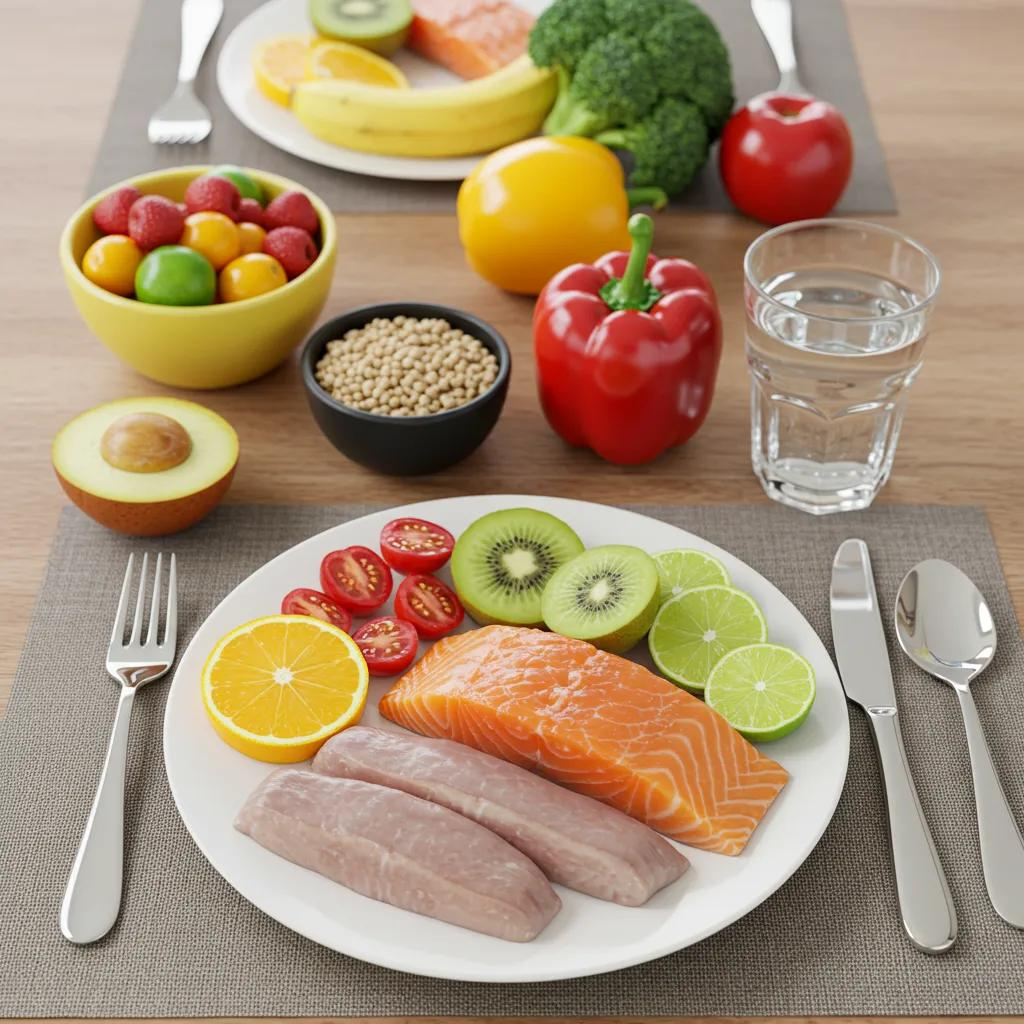
Dental Implants vs Natural Teeth: Eating Made Easy

Dental implants are titanium fixtures that replace missing tooth roots and support crowns or prostheses, restoring chewing power and comfort for many patients. This article explains how implants compare to natural teeth for bite force, chewing efficiency, sensation, and everyday eating, and it shows practical guidance for safely enjoying a broad diet. People who struggle with dentures or missing teeth often ask whether implants let them eat normally again; the short answer is that implants markedly improve stability and function while differing in sensory feedback from natural teeth. Below we compare measurable bite-force differences, list foods that are typically safe or risky, connect improved chewing to digestion and nutrition, explore sensation and comfort contrasts, and outline care steps that preserve function. Throughout, we use current research perspectives and patient-focused practical advice to help you regain confidence in eating and follow safe, evidence-informed maintenance routines.
How Do Dental Implants Compare to Natural Teeth in Chewing Power?
Dental implants restore oral function by anchoring prosthetic teeth directly to the jawbone through osseointegration, which delivers stable force transmission for mastication. Unlike natural teeth that move slightly via the periodontal ligament, implants are rigidly fixed and rely on bone support to handle chewing loads, giving patients predictable chewing power. This biomechanical difference explains why implant-supported crowns and bridges often permit higher effective bite forces than removable dentures but slightly lower sensory modulation than natural teeth. Understanding these differences helps set realistic expectations for chewing performance and guides prosthesis design choices to maximize function and comfort.
Dental implant expertise matters when translating biomechanics into reliable outcomes; Bespoke Dental’s experienced team, offering solutions like affordable dental implants in Lutz, focuses on treatment planning and prosthetic design to help patients regain functional bite force and comfortable chewing. Recent clinical summaries show implants commonly approach functional bite forces that allow most ordinary foods to be eaten comfortably when prostheses are well-designed, and individualized care improves long-term stability and patient satisfaction.
What Is the Bite Force of Dental Implants vs Natural Teeth?
Bite force refers to the pressure teeth can apply during clenching or chewing, and typical ranges vary by tooth type and individual factors. Natural molars commonly generate peak bite forces around 200–250 psi in healthy adults, while implant-supported restorations often achieve functional bite forces in the range of roughly 150–200 psi depending on the number and type of implants and the prosthesis design. Removable dentures generally produce much lower bite forces because they lack fixed anchorage and rely on suction or adhesives, leading to reduced efficiency. Clinicians use these ranges to set realistic dietary guidance and to design implant-supported prostheses that distribute occlusal loads safely across the jaw.
Biomechanical Differences: Natural Teeth vs. Dental Implants
We also compared energy dissipation between natural teeth and dental implants by detecting the damping characteristics of the periodontal ligament and the implant-bone interface. The results showed that natural teeth have a greater capacity for energy dissipation than dental implants.
Differences in the biomechanical behaviors of natural teeth and dental implants, CL Yeh, 2021
How Efficient Is Chewing with Dental Implants Compared to Natural Teeth?
Masticatory efficiency measures how well food is broken into swallowable particles, and implants restore much of the mechanical breakdown capacity that natural teeth provide. Because implants are rigid, they transmit force effectively to grind and crush food, improving particle size reduction compared with dentures and enabling better oral processing of varied textures. The main efficiency gap versus natural teeth arises from reduced periodontal ligament feedback and potential prosthetic design limitations, which can slightly slow adaptive bite modulation. With proper prosthetic contours and patient adaptation, implant-supported restorations often permit near-normal chewing efficiency for most everyday foods.
Restorative OptionTypical Peak Bite ForceSensory FeedbackLongevity/NotesNatural teeth~200–250 psiHigh (periodontal ligament)Long with good oral healthDental implants (restored)~150–200 psiModerate (osseointegration)Durable when maintainedRemovable denturesMuch lower (<100 psi)Low (mobile base)Higher risk of instability
This comparison table summarizes how bite force and sensory feedback vary across options, showing why implants often balance stability and function better than removable dentures while differing from natural teeth in sensation.
What Foods Can You Eat Comfortably with Dental Implants?
Once implants are fully integrated and healing is complete, most patients can return to a wide variety of foods because implants provide stable support similar to natural roots. Staged guidelines typically move from soft foods during early healing to progressively firmer textures over several weeks, and long-term prosthetic choices (single crowns vs implant-retained denture) influence chewing capability. Practical food guidance helps patients regain dietary variety while avoiding high-risk items that could damage prostheses or overload implants. Below is a concise table mapping common food types to recommendations and an actionable list to help you plan meals confidently.
After healing and restorative adjustments, many patients report smoother eating with dental implants and renewed ability to enjoy cooked vegetables, fruits, and lean proteins; patient feedback collected at clinics supports gradual reintroduction of harder textures under clinician guidance.
Which Foods Are Safe and Enjoyable to Eat with Dental Implants?
Patients with healed implant crowns typically handle a broad range of foods because fixed restorations transmit chewing force reliably to the jawbone. Soft fruits, steamed vegetables, rice, pasta, and properly cut meats are usually comfortable and safe, while firm items can be reintroduced incrementally. Eating strategies—such as cutting hard foods into small pieces and using the opposite side during early transition—reduce risk and speed confidence rebuilding. With time and proper prosthetic shaping, implant-supported teeth enable enjoyable, varied meals for most people.
- Safe staple foods after healing include soft fruits, cooked vegetables, and tender meats.
- Firm foods such as apples and carrots are usually acceptable when cut into manageable pieces.
- Avoid chewing very hard or brittle items whole until your prosthesis is evaluated by your dentist.
This list highlights foods that support nutritional recovery and helps patients plan gradual reintroduction of firmer textures while protecting implant restorations.
Are There Any Dietary Restrictions When Eating with Dental Implants?
Short-term restrictions after implant surgery emphasize a soft diet to protect healing tissues and avoid dislodging temporary components, typically for the first one to two weeks depending on the case. Long-term limitations are minimal for single-tooth implants and implant-supported bridges, though implant-retained dentures may still need caution with extremely sticky or chewy foods. Risk behaviors like chewing ice, opening packages with teeth, or biting very hard nuts should be avoided to prevent crown fracture or prosthetic damage. Regular follow-up visits let clinicians adjust occlusion and provide tailored guidance to expand your safe food choices over time.
How Do Dental Implants Affect Digestion and Overall Nutrition?
Improved chewing efficiency with implants positively influences digestion because more effective mechanical breakdown increases surface area for enzymatic action, which facilitates stomach and intestinal processing. When food is reduced into smaller particles, enzymes and gastric acids can act more uniformly, aiding nutrient release and absorption, which supports overall nutritional status. Restoring the ability to eat a wider variety of foods—particularly fiber-rich vegetables and lean proteins—commonly leads to better diet quality and reported improvements in meal satisfaction. Clinicians increasingly view implant rehabilitation as part of a holistic plan that can improve dietary diversity and downstream health outcomes.
Bespoke Dental’s treatment planning emphasizes functional outcomes and coordinates care through healing phases to help patients regain comfortable mastication and make safe dietary transitions that support nutrition and digestion.
How Does Improved Chewing with Implants Enhance Digestion?
Mechanical mastication is the first step in digestion and directly impacts how well food mixes with saliva and digestive enzymes. Better chewing reduces particle size, raises the surface area exposed to amylase and other enzymes, and aids safe swallowing, which lowers the digestive workload. For example, improved breakdown of proteins and fibrous vegetables promotes more efficient gastric processing and smoother intestinal transit. Patients who can comfortably consume a wider range of textures often report fewer GI complaints and improved satiety after implant rehabilitation.
OutcomeMechanismBenefitImproved chewing efficiencySmaller particle size from effective masticationEnhanced enzymatic digestionGreater dietary varietyAbility to eat fruits, vegetables, proteinsBetter nutrient intake and balanceReduced reliance on processed soft foodsIncreased confidence with textured foodsImproved overall diet quality
This table links functional chewing changes to measurable nutritional benefits and clarifies how implants support digestive outcomes.
What Are the Nutritional Benefits of Eating with Dental Implants?
Regaining comfortable chewing expands options for nutrient-dense foods that are commonly limited by tooth loss or denture instability, such as raw fruits, fibrous vegetables, and whole protein sources. This broader intake typically increases dietary fiber, vitamins, and high-quality protein, which support musculoskeletal and metabolic health. Patients often experience improved meal enjoyment and satiety, which can reduce dependence on processed, softer convenience foods that are calorie-dense but nutrient-poor. Tracking dietary changes with your care team helps translate functional gains into sustained nutritional improvements.
- Increased access to fiber-rich vegetables supports gut health and satiety.
- Easier consumption of lean proteins aids muscle maintenance and repair.
- Wider fruit intake improves vitamin and antioxidant intake for systemic health.
These benefits illustrate how restoring mastication with implants contributes directly to better nutritional patterns and well-being.
What Is the Comfort and Sensation Difference Between Dental Implants and Natural Teeth?
Dental implants provide stability and predictable force transmission but lack the periodontal ligament, which is a key sensory organ for natural teeth that senses pressure and position. That absence means implants offer different sensory feedback—patients often describe a firmer, less nuanced feel—yet the brain and surrounding tissues adapt over weeks to months, improving perceived naturalness. Compared to removable dentures, implants eliminate slipping and sore spots, which enhances comfort and reduces eating-related anxiety. Understanding sensory differences and expected adaptation timelines helps patients set realistic expectations and maximize comfort through thoughtful prosthetic design.
Do Dental Implants Provide Natural Sensory Feedback When Eating?
Implants do not replicate periodontal ligament mechanoreceptors, so fine-tuned pressure sensation is reduced compared with natural teeth; however, surrounding mucosa, bone conduction, and cortical adaptation restore functional perception over time. Patients typically regain confidence in bite control as they relearn force modulation through tactile cues transmitted by the prosthesis and jaw structures. Clinicians manage expectations by explaining the sensory trade-off and using occlusal adjustments and gradual exposure to textures to speed adaptation. Most patients report high satisfaction with function despite measurable differences in sensory feedback.
Sensory Feedback and Motor Control with Dental Implants
To control oral motor behaviors, like biting and chewing, we need sensory information from the teeth. This information is effectively transmitted across the osseointegrated junction between the implant and the bone. Studies have shown that patients with osseointegrated dental implants can improve their control over oral motor behaviours.
Sensory and motor function of teeth and dental implants: a basis for osseoperception, M Trulsson, 2005
How Does Implant Stability Improve Eating Comfort Compared to Dentures?
Stability from implant-supported crowns or bars removes the common denture problems of movement, suction loss, and mucosal sores, allowing secure biting and chewing without adhesive reliance. This stability translates to smoother eating with dental implants and reduces the need to alter food choices to avoid embarrassing slippage. The predictable retention also decreases compensatory biting patterns that can cause sore spots or digestive inefficiency. For patients seeking reliable comfort and function, implant-supported solutions offer substantial improvements over conventional removable prostheses.
Proprioceptive Function: Natural Teeth vs. Dental Implants
Periodontal ligament (PDL) consists mainly of collagen fiber bundles with specialized mechanoreceptors and free nerve endings that connect the cementum of the tooth root to alveolar bone and are vital for dental proprioceptive function. When a tooth is lost and replaced with a dental implant, osseointegration occurs without the intervening PDL, leading to a loss of proprioceptive function. Herein we report the placement, and healthy integration of an advanced dental implant in the socket of rat study models without facilitating the process of osseointegration, that could possibly impart proprioceptive features comparable to those noted in natural teeth.
Surgical considerations towards inducing proprioceptive feedback in dental implants, S Das, 2025
How Should You Care for Dental Implants to Maintain Optimal Eating Function?
Daily hygiene and scheduled professional care are essential to protect implant health and preserve chewing function, as peri-implant disease can compromise bone support and stability. A consistent routine of twice-daily brushing with a non-abrasive brush, interdental cleaning with floss or interdental brushes, and periodic professional assessment helps prevent plaque accumulation and soft-tissue inflammation. Maintaining bone stimulation through normal chewing and avoiding harmful habits preserves osseointegration over time, while prompt attention to loosened components prevents functional decline. Regular monitoring lets clinicians catch early changes and adjust prosthetic or hygiene strategies to sustain comfortable eating.
Bespoke Dental offers follow-up services and tailored aftercare plans to guide patients through maintenance routines and recall exams that protect implant health and long-term eating ability.
What Maintenance Is Needed to Keep Implants Comfortable for Eating?
A practical daily and periodic maintenance checklist preserves implant function: brush twice daily with a soft brush, clean interdental spaces daily with floss or brushes designed for implants, and avoid excessive forces or parafunctional habits. Professional cleanings and exams every three to six months or as recommended allow early detection of problems like peri-implant mucositis or occlusal wear. Patients should report any mobility, persistent soreness, or changes in chewing comfort promptly to ensure timely correction. Consistent adherence to these steps maintains stable occlusion and comfortable function for eating.
- Brush gently twice daily with a soft-bristled brush.
- Clean between teeth and around implant crowns daily with appropriate tools.
- Keep scheduled professional checkups to monitor bone and soft tissue health.
These steps create a predictable preservation plan that supports long-term mastication and implant success.
How Does Bone Health Impact Long-Term Eating Ability with Implants?
Osseointegration—the biological bonding of titanium to bone—is the foundation of implant stability; ongoing bone health determines whether implants can reliably transmit chewing forces. Bone remodeling continues after placement, and adequate mechanical stimulation from normal chewing helps maintain bone density around implants, whereas underuse or chronic inflammation can lead to resorption. Risk factors such as uncontrolled systemic issues or smoking increase bone loss risk and reduce implant longevity, so preventive care and monitoring are critical. Maintaining bone health through balanced nutrition, functional loading, and professional oversight supports predictable long-term eating ability with implant restorations.
- Ensure adequate dietary calcium and protein to support bone remodeling.
- Preserve normal functional loading by using implants to chew, not avoiding use unnecessarily.
- Attend regular radiographic and clinical reviews to detect early bone changes.
These measures help sustain osseointegration and the chewing function that makes eating comfortable and reliable again.
Frequently Asked Questions
1. How long does it take to fully recover after getting dental implants?
The recovery time after dental implant surgery can vary based on individual health and the complexity of the procedure. Generally, the initial healing phase lasts about 1 to 2 weeks, during which patients should stick to a soft diet. Full osseointegration, where the implant fuses with the jawbone, typically takes 3 to 6 months. Regular follow-ups with your dentist are essential to monitor healing and ensure the implant is stable before placing the final restoration.
2. Can dental implants fail, and what are the signs?
Yes, dental implants can fail, although this is relatively rare. Signs of potential failure include persistent pain, swelling, or mobility of the implant. Other indicators may include infection or bone loss around the implant site. Factors such as poor oral hygiene, smoking, or underlying health conditions can increase the risk of failure. If you notice any concerning symptoms, it’s crucial to contact your dentist promptly for evaluation and intervention.
3. Are dental implants suitable for everyone?
While dental implants are a great option for many, they may not be suitable for everyone. Factors such as age, bone density, and overall health play a significant role in candidacy. Patients with uncontrolled diabetes, certain autoimmune diseases, or those who smoke heavily may face higher risks. A thorough evaluation by a dental professional is necessary to determine if implants are the right choice for your specific situation.
4. How do dental implants affect speech compared to dentures?
Dental implants generally provide better speech clarity compared to dentures. Since implants are securely anchored in the jawbone, they eliminate the movement and slippage often associated with dentures, which can affect pronunciation. Patients often report improved confidence in speaking after receiving implants, as they mimic the function of natural teeth more closely, allowing for more natural speech patterns without the fear of denture displacement.
5. What should I do if I experience discomfort with my dental implants?
If you experience discomfort with your dental implants, it’s important to consult your dentist as soon as possible. Discomfort can arise from various issues, including improper bite alignment, infection, or inflammation around the implant. Your dentist can assess the situation and recommend appropriate treatments, which may include adjustments, cleaning, or, in rare cases, further intervention to ensure the health and comfort of your implants.
6. How do I choose the right dentist for dental implants?
Choosing the right dentist for dental implants involves considering their experience, qualifications, and patient reviews. Look for a dentist who specializes in implant dentistry and has a proven track record of successful procedures. It’s also beneficial to schedule a consultation to discuss your needs, ask about their approach to treatment planning, and understand the technology and materials they use. A good rapport and clear communication are essential for a positive experience.
7. Can I get dental implants if I have gum disease?
Having gum disease does not automatically disqualify you from getting dental implants, but it must be treated first. Healthy gums are crucial for the success of implants, as they provide the necessary support. Your dentist will likely recommend a periodontal treatment plan to address any gum issues before proceeding with implant placement. Once your gum health is restored, you can then consider implants as a viable option for tooth replacement.
Conclusion
Dental implants significantly enhance chewing power and comfort, allowing patients to enjoy a wider variety of foods with confidence. By restoring effective bite force and improving overall digestion, implants contribute to better nutritional health and meal satisfaction. Understanding the benefits of dental implants empowers individuals to make informed decisions about their oral health. Discover how our expert team at Bespoke Dental can help you regain your eating comfort and explore our services today.