
Dental Implants vs Alternatives: Which Is Right?

Missing teeth change how you chew, speak, and feel about your smile, and choosing the right replacement matters for function and long-term oral health. This guide compares dental implants, bridges, and dentures to help you weigh durability, aesthetics, cost, and clinical impact so you can make an informed decision. You will learn what implants are, the main alternatives, how they differ in bone preservation and maintenance, and practical factors that determine the best option for your situation. The article also walks through decision factors like bone health, lifestyle, and budget, then answers common patient questions to target quick answers and next steps. Read on to compare single-tooth implants, full-arch strategies like all-on-4, traditional fixed bridges, and removable dentures with a focus on long-term value and patient journeys.
What Are Dental Implants and How Do They Work?
Dental implants are tooth replacements made of a biocompatible post anchored in the jawbone, an abutment, and a prosthetic crown that restores chewing and appearance. The post integrates with bone through osseointegration, creating stable load transfer that preserves bone and supports natural chewing forces. Implants serve single-tooth, multiple-tooth, and full-arch reconstructions and are available in materials like titanium and zirconia. Understanding implants’ components and healing process clarifies why they are often recommended for durability and bone health, which we’ll explore next in the basic definition.
What Is a Dental Implant?
A dental implant is a rigid post placed into the jaw to replace a missing tooth root and support a crown. Osseointegration is the biological process where bone fuses to the implant surface, providing long-term stability and preventing the bone loss that follows tooth loss. This mechanism yields both functional chewing ability and improved aesthetics compared with removable options. The stability and bone-preserving effect make implants attractive for patients prioritizing a durable, natural-feeling restoration.
What Are the Types of Dental Implants?
Implant options include endosteal implants placed in the bone, subperiosteal implants seated on top of bone under the gum, and mini implants for limited-space cases. Full-arch solutions such as all-on-4 use strategically positioned posts to support an entire prosthetic arch without one implant per tooth. Material choices—primarily titanium or zirconia—affect biocompatibility and aesthetics depending on patient priorities. Knowing these types helps match a technical approach to a patient’s anatomy and goals, which leads to the procedural overview next.
What Is the Dental Implant Procedure?
The implant process begins with clinical evaluation and imaging to assess bone volume and health, followed by surgical placement of the implant and a healing interval for osseointegration. After integration, an abutment and final crown restore form and function, with typical timelines ranging from a few months to staged same-day protocols when appropriate. Recovery usually involves short-term swelling and mild discomfort controlled with standard care. Clear procedural expectations help patients plan for time and follow-up, a topic that naturally raises trade-offs discussed below.
What Are the Benefits and Drawbacks of Dental Implants?
Implants offer high durability, excellent aesthetics, and preservation of jawbone and adjacent teeth through load-bearing replacement. Drawbacks include higher upfront cost, the need for surgery, and potential requirements for bone grafting in deficient sites. For many patients, the long-term value—fewer replacements and better oral health—offsets initial investment. These pros and cons set the stage for cost comparisons with alternatives, which follows next.
How Much Do Dental Implants Cost Compared to Alternatives?
Typical cost factors include number of implants, need for grafting, materials, and geographic variation, making per-case estimates variable. While implants usually have a higher initial price than bridges or dentures, they often offer better long-term value due to longevity and lower replacement frequency. Financing options can mitigate upfront expense for many patients and influence the practical choice between options. With cost context established, the next section outlines the main alternatives to implants.
What Are the Main Alternatives to Dental Implants?
Bridges and dentures are the principal non-implant tooth replacement approaches, each with common variations that fit different clinical and budgetary needs. Bridges span a gap using adjacent teeth as supports, while dentures replace several or all teeth with removable prostheses or implant-retained designs. Understanding types, procedures, and maintenance obligations clarifies when alternatives are sensible. We’ll describe bridges first and then cover dentures and their relative trade-offs.
What Are Dental Bridges and Their Types?
Dental bridges include traditional fixed bridges that use crowned abutment teeth, cantilever bridges anchored on one side, Maryland (resin-bonded) bridges that conserve tooth structure, and implant-supported bridges that combine implant stability with bridge design. Materials like porcelain fused to metal or all-ceramic options balance strength and aesthetics based on the tooth’s location. Bridges suit patients with healthy abutment teeth and moderate tooth loss, and they provide a quicker pathway to restoration than some implant workflows.
How Is the Dental Bridge Procedure Performed?
Bridge placement involves preparing the abutment teeth, taking impressions for a lab-made prosthesis, fitting a temporary bridge, and later seating and cementing the final restoration. The process commonly requires two to three visits over a few weeks with straightforward recovery and minimal surgical intervention. Good oral hygiene and periodic maintenance are essential to prolong bridge lifespan. Knowing the procedural simplicity of bridges helps compare them to dentures, the next alternative.
What Are the Benefits and Drawbacks of Dental Bridges?
Bridges provide fixed replacement with good aesthetics and faster treatment time compared to implants, and they avoid surgical placement in many cases. Drawbacks include the removal of healthy tooth structure on abutment teeth and potential for secondary decay or need for replacement over time. Lifespan typically ranges but often requires maintenance or replacement sooner than well-maintained implants. These trade-offs lead into the overview of denture options next.
What Are Dentures and Their Different Types?
Dentures come as partial removable prostheses, full complete dentures for edentulous arches, and implant-supported dentures that use implants for retention and stability. Partial dentures replace several teeth and clasp to remaining teeth, while complete dentures rely on tissue support unless implant retention is added. Materials and design affect comfort and function, and implant-retained dentures markedly improve stability and chewing ability. Recognizing denture types helps patients balance cost, convenience, and function.
How Do Dentures Work and What Are Their Pros and Cons?
Dentures restore chewing and appearance at lower initial cost and without surgery for traditional removable designs, but they can shift, require adhesives, and accelerate bone resorption if not implant-retained. Implant-supported dentures reduce movement and bone loss but require surgical placement and higher upfront expense. Regular relines and replacements are typical for tissue-supported dentures due to ongoing jaw changes. Understanding denture maintenance frames the next section, comparing these options head-to-head with implants.
How Do Dental Implants Compare to Bridges and Dentures?
This section provides a concise comparison to highlight cost, durability, aesthetics, bone preservation, and maintenance so readers can quickly scan key differences before reviewing timelines and recommendations. The table below presents apples-to-apples attributes across the three common approaches to missing teeth.
OptionDurabilityTypical MaintenanceImplant15–30+ years with proper careDaily hygiene, occasional crown maintenanceBridge7–15 years averageVigilant hygiene, possible abutment treatmentDenture5–10 years for tissue-supportedRelines, adhesives, replacements over time
This table clarifies long-term expectations and shows why implants often represent the most durable choice, which we explain further in the paragraphs below.
What Are the Key Differences in Cost, Durability, and Aesthetics?
Implants generally command higher initial cost but greater longevity and superior natural aesthetics, especially for single-tooth and anterior cases. Bridges are less expensive up front and provide fixed aesthetics but depend on healthy adjacent teeth. Dentures are the least expensive initially for large-scale tooth loss but may compromise chewing efficiency and require more ongoing maintenance. These trade-offs inform decisions that hinge on patient goals and resources, which we examine next in oral health impact.
How Do Implants, Bridges, and Dentures Affect Oral Health and Bone Preservation?
When a tooth is lost, the absence of root load leads to bone resorption over time; implants transmit chewing forces to bone and help preserve volume through osseointegration. Bridges do not replace root function and can place stress on abutment teeth potentially harming them over time. Removable dentures provide minimal stimulation to underlying bone and therefore tend to accelerate resorption unless implant-retained. These biological differences often make implants the preferred option when preserving bone is a priority.
What Are the Procedure Times and Recovery Expectations for Each Option?
Bridge workflows typically complete in weeks with minimal recovery; implant timelines commonly span several months when staged healing is needed, though immediate protocols exist in select cases; denture fabrication often completes within weeks to months depending on extractions and healing. Recovery from implant surgery usually involves short-term swelling and dietary adjustments, then gradual return to normal function. Patients balance timeline preferences against long-term outcomes when choosing among these paths.
Which Option Offers the Best Long-Term Solution for Missing Teeth?
For many patients seeking permanence, bone preservation, and the best functional outcome, implants are the long-term solution of choice when anatomy and budget allow. Bridges and dentures remain valuable when surgical constraints, medical conditions, or finances limit implant candidacy. Personalized evaluation provides the final determination, which is why a structured decision process is the next logical step.
How Do You Choose the Right Tooth Replacement Option for Your Needs?
Choosing the right option depends on clinical factors, patient goals, lifestyle, and financial considerations; a checklist helps translate these into recommendations. Begin with bone health assessment, consider systemic health and habits, weigh cosmetic and functional priorities, and review budget and financing options. The brief decision framework below outlines the main patient attributes that tilt recommendations toward implants or alternatives.
- Bone health, smoking status, and systemic conditions determine surgical candidacy and grafting needs.
- Desired longevity and willingness to invest influence whether implants are the best fit.
- Daily habits and maintenance willingness affect whether fixed or removable prostheses suit the patient.
This checklist converts patient factors into actionable questions to bring to a consultation, which is described next, including how Bespoke Dental can help.
What Factors Should You Consider: Bone Health, Lifestyle, and Budget?
Bone density and the presence of adequate jawbone play a central role in implant candidacy and may require grafting if insufficient. Lifestyle choices such as smoking and oral hygiene directly influence healing and long-term success, so modifying habits improves outcomes. Budget affects the choice between immediate lower-cost solutions and longer-term investments like implants; financing and phased treatment can bridge that gap. Assessing these factors together leads to a tailored plan during consultation.
FactorAttributeImpact on DecisionBone HealthHigh/LowFavors implant when adequate, grafting may enable implantsSmokingYes/NoSmoking reduces healing and success rates, favors non-surgical options unless modifiedBudgetFlexible/LimitedFlexible budgets can prioritize implants; limited budgets may start with bridges/dentures
This mapping helps patients and clinicians prioritize next steps before treatment planning.
When Are Dental Implants Recommended Over Alternatives?
Implants are typically recommended for single-tooth replacement, for preserving adjacent natural teeth, and when a long-term durable solution is the goal. They are preferred when bone volume is sufficient or when grafting is feasible and when patients have stable general health. Alternatives are recommended when surgical risks are high, immediate lower-cost results are required, or when anatomy prevents implant placement. These criteria lead into how a clinic can facilitate the decision.
How Can Bespoke Dental Help You Decide?
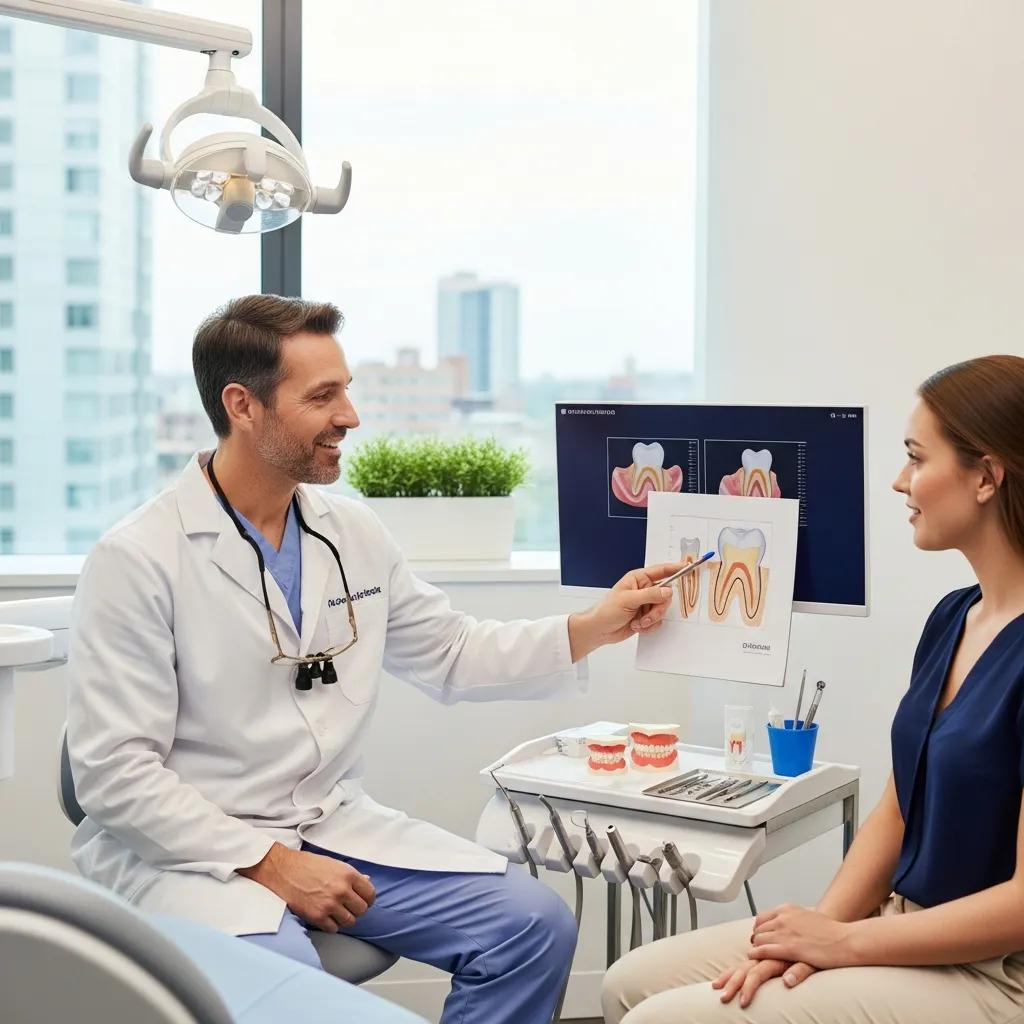
Bespoke Dental provides consultations that combine specialist input, advanced imaging, and personalized treatment planning to determine the best path forward. Their team includes oral surgery specialists experienced in implants—Dr. Tarik Elmohd and Dr. Michael Fabian—who assess bone with CBCT-style imaging and collaborate on restorative plans. Patients can use the clinic’s online booking system to schedule evaluations, receive individualized timelines, and learn about phased treatment options. Financing partners available through the clinic include Sunbit, Cherry, Alpheon Credit, CareCredit, and LendingClub to help manage treatment costs.
What Financing Options Are Available for Dental Implants and Alternatives?
Financing can make implants more accessible through monthly plans and third-party lenders, and Bespoke Dental assists patients in comparing terms and application steps, helping them explore options for affordable dental implants in Lutz. Typical providers to explore include Sunbit, Cherry, Alpheon Credit, CareCredit, and LendingClub, each offering different term lengths and approval criteria. Discussing financing during the consult helps align clinical goals with realistic payment plans and allows staged approaches when needed. With financing in place, patients can prioritize long-term oral health choices.
What Are Common Patient Questions About Dental Implants and Alternatives?
This FAQ provides concise, snippet-friendly answers to common patient questions to aid quick decision-making and prepare for a consultation. Each response is direct and points to an in-person assessment when personalization is required. After these quick answers, a cost table summarizes typical ranges to set expectations.
What Is the Cheapest Alternative to Dental Implants?
Removable dentures and basic bridges generally have the lowest upfront cost compared with implants. However, long-term maintenance, relining, and replacement can increase lifetime cost and affect function, so cheapest upfront is not always lowest long-term expense. Discussing expected lifetime costs and replacement cycles helps determine real value, which is best done during a clinical estimate.
Are Dental Implants Better Than Bridges?
Yes, implants generally outperform bridges for bone preservation and longevity when the patient is an appropriate candidate. Bridges may be preferable when adjacent teeth are already crowned, when surgery is contraindicated, or when immediate lower-cost restoration is needed. The right choice depends on health, anatomy, and patient priorities, which a personalized consult clarifies.
Can You Get a Dental Implant Years After Tooth Extraction?
Yes, implants can often be placed years after extraction, though bone resorption may require grafting to recreate adequate support. A thorough imaging assessment determines whether grafting or other preparatory steps are needed. Timely consultation evaluates options and sequences care to achieve a predictable implant outcome.
How Long Do Dental Bridges Last Compared to Implants?
Bridges typically last 7–15 years with good care, while implants often last 15–30+ years and can be maintained indefinitely with proper hygiene. Factors that shorten either option include decay, periodontal disease, and poor oral hygiene. Choosing the approach that aligns with maintenance willingness and oral health status helps maximize longevity.
What Is the Success Rate of Dental Implants vs Bridges?
Implant success rates commonly exceed 90–95% in healthy patients under appropriate conditions, reflecting osseointegration reliability. Bridge longevity and success hinge on the health of abutment teeth and general oral conditions rather than a single success percentage. For personalized prognosis and expected outcomes, schedule an evaluation at Bespoke Dental, located at 18713 N Dale Mabry Hwy, Lutz, FL 33548, where specialists can provide a tailored plan and cost estimate.
Frequently Asked Questions
What is the recovery time after getting dental implants?
The recovery time after dental implant surgery can vary depending on individual health and the complexity of the procedure. Generally, patients can expect a healing period of 3 to 6 months for osseointegration, where the implant fuses with the jawbone. During this time, some swelling and discomfort are normal, which can be managed with over-the-counter pain relief. Follow-up visits are essential to monitor healing and ensure the implant is integrating properly before the final crown is placed.
Are dental implants suitable for everyone?
While dental implants are a great option for many, they may not be suitable for everyone. Factors such as insufficient bone density, certain medical conditions (like uncontrolled diabetes), and smoking can affect candidacy. A thorough evaluation by a dental professional is necessary to determine if implants are a viable option. In some cases, bone grafting or other preparatory procedures may be required to ensure successful implant placement.
How do I maintain dental implants?
Maintaining dental implants is similar to caring for natural teeth. Regular brushing and flossing are essential to prevent plaque buildup and gum disease. Routine dental check-ups are also important for monitoring the health of the implant and surrounding tissues. Patients should avoid hard foods that could damage the crown and refrain from using tobacco, as it can hinder healing and increase the risk of complications.
What are the long-term costs associated with dental implants?
While dental implants have a higher initial cost compared to alternatives like bridges or dentures, they often provide better long-term value due to their durability and lower replacement frequency. Long-term costs include regular maintenance, potential crown replacements, and any necessary follow-up procedures. Patients should consider these factors when evaluating the overall investment in their oral health.
Can dental implants fail, and what causes failure?
Yes, dental implants can fail, although the success rate is generally high. Factors contributing to implant failure include infection, insufficient bone density, improper placement, and poor oral hygiene. Lifestyle choices, such as smoking, can also negatively impact healing and success rates. Regular dental visits and adherence to care instructions can significantly reduce the risk of complications and ensure the longevity of the implant.
How do I choose between dental implants and other options?
Choosing between dental implants and alternatives like bridges or dentures depends on several factors, including bone health, budget, and personal preferences. Patients should consider the longevity, maintenance requirements, and aesthetic outcomes of each option. Consulting with a dental professional can help clarify the best choice based on individual circumstances, ensuring a tailored approach to tooth replacement.
What should I expect during the initial consultation for dental implants?
During the initial consultation for dental implants, the dentist will conduct a comprehensive evaluation, including a review of your medical history and a clinical examination of your mouth. Imaging tests, such as X-rays or 3D scans, may be performed to assess bone density and structure. The dentist will discuss your treatment options, expected outcomes, and any necessary preparatory procedures, ensuring you have a clear understanding of the process ahead.
Conclusion
Choosing the right tooth replacement option is crucial for restoring function and aesthetics while ensuring long-term oral health. Dental implants stand out for their durability and bone preservation, making them a preferred choice for many patients. Understanding the benefits and trade-offs of implants, bridges, and dentures empowers you to make an informed decision tailored to your needs. Schedule a consultation with our experts today to explore the best options for your smile.