
Best Treatment Options for Impacted Teeth Explained

Impacted teeth occur when a tooth fails to erupt into the dental arch within the expected developmental window, creating pressure, infection risk, or damage to adjacent teeth. Early diagnosis and appropriate treatment reduce the risk of cyst formation, tooth resorption, and prolonged infection while preserving oral function and alignment. This guide explains how impacted teeth are classified and diagnosed, outlines the full range of treatment options from observation to surgical extraction and orthodontic exposure, and describes recovery expectations and cost considerations for patients. You will learn to recognize symptoms that warrant evaluation, understand imaging and anesthesia choices used by oral surgeons, and compare outcomes and recovery timelines for common procedures. The article also highlights practical options for financing and describes how a local oral surgery practice manages complex cases to maximize patient comfort and clinical success.
Further research underscores the prevalence and potential complications associated with impacted teeth, particularly third molars.
Understanding Impacted Third Molars: Definition, Risks, and Classification
Tooth impaction is a pathological situation where a tooth fails to attain its normal functional position. Impacted third molars are commonly encountered in routine dental practice. The impaction rate is higher for third molars when compared with other teeth. Impacted teeth may remain asymptomatic or may be associated with various pathologies such as caries, pericoronitis, cysts, tumors, and also root resorption of the adjacent tooth. Even though various classifications exist in the literature, none of those address the combined clinical and radiologic assessment of the impacted third molar.
Impacted mandibular third molars: Review of literature and a proposal of a combined clinical and radiological classification, P Santosh, 2015
What Are Impacted Teeth and Their Common Types?
An impacted tooth is a tooth that is blocked from erupting by soft tissue, bone, or neighboring teeth, which alters normal eruption mechanics and can produce pain or malalignment. The mechanism of impaction often involves limited arch space, unfavorable angulation, or delayed eruption timing, and the clinical benefit of identifying the type is targeted treatment planning that preserves function. Recognizing the common types helps tailor management and informs decisions between extraction, exposure plus orthodontics, or ongoing observation. Below is a concise list of the most frequent impacted tooth types and their clinical relevance.
- Impacted wisdom teeth often come in at angles that press on adjacent molars and can cause infection or crowding.
- Impacted canines typically affect the cosmetic zone and arch form, and early intervention improves orthodontic success.
- Impacted molars (other than third molars) are less common but may indicate developmental anomalies or space issues.
- Supernumerary teeth (extra teeth) can block the eruption of adjacent permanent teeth and often require removal.
Understanding these categories clarifies why the treatment approach varies by tooth type and informs subsequent diagnostic imaging decisions.
How Are Impacted Wisdom Teeth Classified and Diagnosed?
Impacted wisdom teeth are classified by angulation and depth—terms like vertical, mesioangular, distoangular, and horizontal describe tooth orientation relative to the adjacent molar, while “soft tissue” versus “bony” impaction indicates the overlying tissues. Diagnostic imaging uses panoramic radiographs for initial assessment and cone-beam computed tomography (CBCT) when three-dimensional anatomy, proximity to the inferior alveolar nerve, or sinus relationships must be clarified. A combination of clinical signs (pericoronitis, swelling) and imaging findings defines the urgency and surgical approach. Accurate classification guides whether a simple versus surgical extraction is recommended and helps estimate risks and recovery time.
The utility of advanced imaging like CBCT in refining treatment decisions for impacted wisdom teeth is further supported by clinical studies.
CBCT vs. Panoramic Radiographs for Impacted Wisdom Tooth Treatment Planning
Three-dimensional imaging is very useful to clarify the true relationship between M3 and MC relative to two-dimensional panoramic images, and the clinician may decide to change the treatment plan based on CBCT images in patients with high risk. Nevertheless, PR can be considered an acceptable diagnostic method with low radiation dose compare with CBCT.
Effect of Cone-beam Computed Tomography on Treatment Decision of Wisdom Tooth, 2021
What Are the Characteristics of Impacted Canines and Other Teeth?
Impacted canines differ from third molars because they erupt later in development and play a key role in esthetics and occlusion, so they are often managed with exposure plus orthodontic traction rather than extraction when feasible. Clinical signs include delayed eruption, retained primary canines, palatal bulging, and arch crowding; radiographs reveal angulation and root development that predict the likelihood of successful orthodontic alignment. Other impacted teeth, such as premolars or supernumerary teeth, are treated based on their effect on adjacent teeth, root development stage, and the patient’s growth status. Early detection during mixed dentition increases the chance that conservative interventions can guide the tooth into the arch rather than resorting to extraction, which preserves dentition and avoids prosthetic needs.
What Symptoms Indicate the Presence of Impacted Teeth?
An impacted tooth may be asymptomatic for long periods, but several hallmark symptoms and complications commonly indicate the need for evaluation by a dental professional. Mechanistically, impaction creates pockets where bacteria accumulate and inflammation develops, producing symptoms ranging from localized pain to systemic infection risk. Recognizing these symptoms promptly enables timely imaging and referral to an oral surgeon or orthodontist as appropriate. Below is a focused list of the most frequent signs and what they imply clinically.
- Persistent pain or aching localized to the back of the jaw, often worsening with chewing.
- Swelling of the gum or cheek near the affected tooth, sometimes accompanied by redness.
- Recurrent bad breath or a bad taste due to trapped food and bacterial overgrowth.
- Difficulty opening the mouth (trismus) or swelling into adjacent facial tissues indicating infection.
These symptoms should prompt a dental evaluation because progressive complications—such as cyst formation, adjacent tooth damage, or spread of infection—become more likely over time, and early imaging clarifies the next steps for treatment.
Which Signs and Complications Arise from Impacted Teeth?
Impacted teeth can cause pericoronitis, dental cysts, tooth resorption of adjacent roots, and malocclusion, each arising from different pathophysiologic processes related to impaction. Pericoronitis results from bacterial invasion in the soft tissue pocket over a partially erupted tooth, producing acute pain, swelling, and sometimes fever, while dentigerous cysts form from fluid accumulation around unerupted crowns and can expand bone if untreated. Root resorption occurs when pressure or inflammatory mediators erode nearby tooth structure, potentially compromising neighboring teeth. Identifying these complications relies on clinical exam and imaging; prompt management reduces the likelihood of long-term sequelae and often narrows treatment options to extraction or surgical management.
When Should You Consult an Oral Surgeon for Impacted Teeth?
You should consult an oral surgeon when there is persistent pain, recurrent infection, radiographic evidence of cyst or root resorption, or when orthodontic plans require surgical exposure and attachment for traction. Immediate referral is warranted for signs of spreading infection, airway compromise, or severe trismus, while routine referral suits cases needing CBCT-based surgical planning or combined surgical-orthodontic care. A general dentist often initiates imaging and conservative measures but will refer when specialist surgical technique, sedation options, or advanced imaging is needed to reduce operative risk. Early specialist involvement improves coordination of care when complex procedures such as bone grafting, sinus lift planning, or implant considerations may follow extraction.
What Are the Best Treatment Options for Impacted Teeth?
Impacted tooth management ranges from careful observation to surgical extraction, orthodontic exposure with traction, or complex surgical reconstruction in severe cases, with choice driven by patient age, tooth type, symptom severity, and radiographic findings. Each option targets a different clinical goal: observation preserves a tooth likely to erupt, surgical extraction removes a problematic tooth to resolve infection or prevent damage, and exposure plus orthodontics aims to restore the tooth into functional alignment. Below is a concise comparative list of common treatment approaches to help match clinical scenarios to likely interventions.
- Observation: Monitor asymptomatic, low-risk impactions with periodic imaging and exams.
- Surgical extraction: Remove symptomatic or pathologic impacted teeth to resolve infection or prevent damage.
- Surgical exposure + orthodontics: Expose and bond an impacted tooth for orthodontic traction into the arch.
- Complex/orthognathic surgery: Address severe positional or developmental issues with coordinated surgical care.
How Does Surgical Extraction Address Impacted Wisdom Teeth?
Surgical extraction of impacted wisdom teeth involves preoperative imaging and planning, incision and bone removal as needed, tooth sectioning for removal, and closure of the surgical site; local anesthesia combined with sedation or general anesthesia manages pain and anxiety. The mechanism of benefit is elimination of the tooth as a nidus for infection, preventing recurrent pericoronitis, cyst formation, and pressure-related damage to adjacent molars. Typical recovery includes initial swelling and discomfort for 3–7 days with progressive improvement, while complications such as dry socket or transient nerve irritation are uncommon but discussed during consent. Clear post-op instructions and follow-up care reduce complication risk and support smooth healing.
What Are the Approaches for Impacted Canine Treatment?
Impacted canine treatment frequently uses surgical exposure and orthodontic traction, which begins with a surgical procedure to expose the crown and bond an attachment for controlled pulling into the arch, followed by months of orthodontic adjustment to align the tooth. This approach leverages the biological mechanism of eruptive force guided by orthodontic brackets and elastics, preserving the natural tooth and maintaining arch form; it succeeds most often when root development and space are favorable. Alternatives include extraction with orthodontic space closure or prosthetic replacement when exposure is unlikely to succeed. Coordinated planning between the oral surgeon and orthodontist ensures timing and surgical technique maximize the likelihood of successful alignment.
After reviewing these options and how they apply clinically, local patients often ask where to receive care for impacted teeth; the following brief practice note explains local surgical capabilities and patient comfort measures.
Bespoke Dental provides oral surgery and extraction services in Lutz, Florida, including treatment for wisdom teeth, extractions, and implant-related procedures when needed. The practice uses digital diagnostic scans to plan procedures and offers IV sedation to improve patient comfort during surgical interventions. Patients seeking evaluation for impacted teeth can expect coordinated surgical and restorative planning, and a referral to specialist care when complex reconstruction is indicated.
How Does Bespoke Dental Ensure Expert Oral Surgery and Patient Comfort?
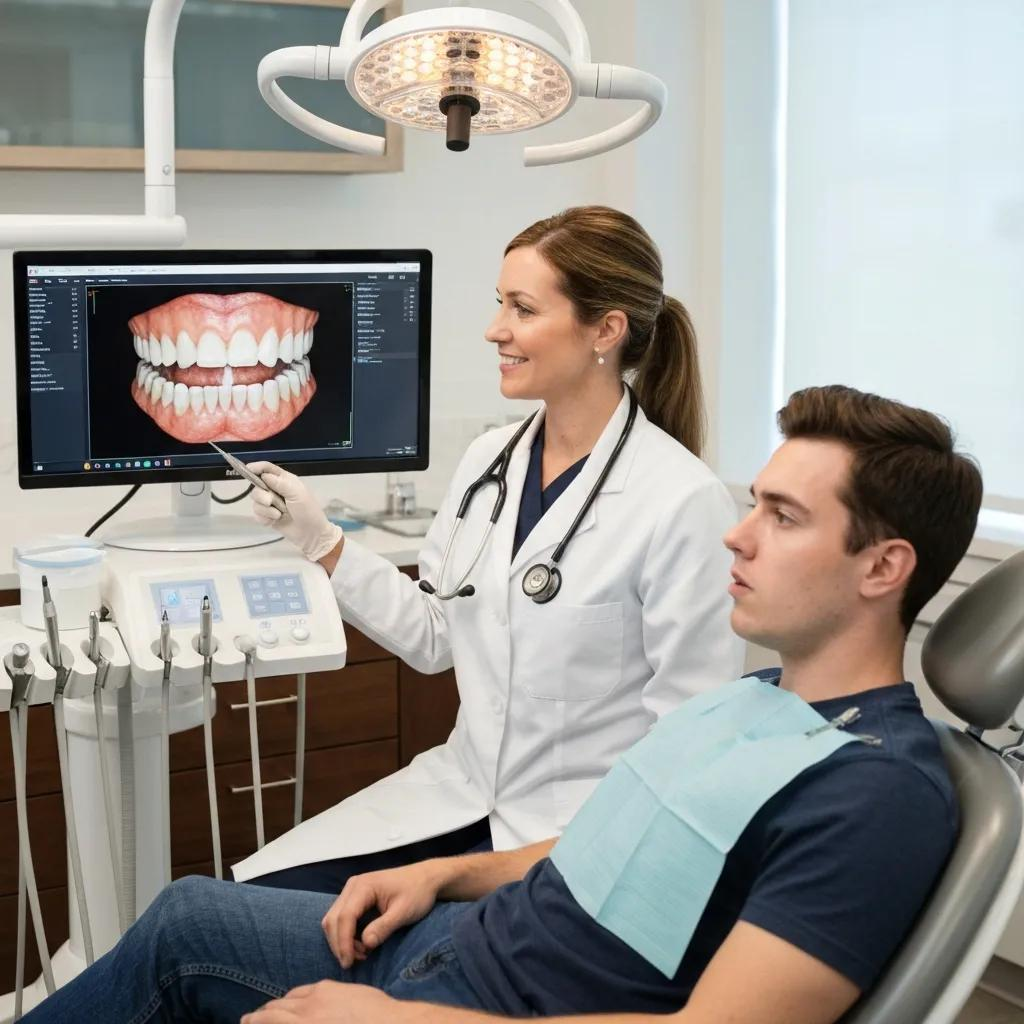
Bespoke Dental emphasizes clinician expertise, advanced diagnostics, and patient-centered sedation to optimize outcomes for impacted tooth treatment while minimizing discomfort and anxiety. The practice integrates digital scanning to map tooth position relative to critical anatomy and uses these data to plan conservative bone removal, sectioning strategies, and attachments for orthodontic traction when appropriate. Patient comfort measures include IV sedation options for those who require deeper anxiolysis, and coordinated care pathways reduce the need for multiple appointments by aligning surgical and restorative planning. This approach supports safer procedures and predictable recoveries for patients facing complex oral surgery.
Who Are the Oral Surgeons Specializing in Impacted Teeth at Bespoke Dental?
Bespoke Dental's clinical team includes Dr. Tarik Elmohd, a board-certified oral and maxillofacial surgeon specializing in dental implants and facial trauma, and Dr. Michael Fabian, who focuses on dental implant surgery, Invisalign, and cosmetic dentistry. Their combined expertise supports both the surgical removal of impacted teeth and the restorative or orthodontic pathways that follow, ensuring treatment plans account for long-term function and esthetics. These clinicians collaborate with referring dentists and orthodontists to coordinate exposure-and-traction cases or to plan grafting and implant placement when extraction creates restorative needs. Patients benefit from a team approach that aligns surgical skill with restorative and orthodontic goals.
What Sedation Options Are Available for Anxiety-Free Procedures?
Sedation options at a surgical practice typically range from local anesthesia for straightforward cases to nitrous oxide or oral sedatives for moderate anxiety, and IV sedation for deeper anxiolysis and amnesia during longer procedures. IV sedation provides a controlled, titratable method to keep patients comfortable and cooperative while the surgical team maintains airway monitoring and vital sign oversight, reducing intraoperative stress and improving patient experience. Selection of sedation is individualized based on procedure complexity, medical history, and patient preference, and proper monitoring and recovery protocols ensure safety and a predictable post-op course. Discussing sedation choices during the preoperative assessment helps patients choose an approach that balances comfort and clinical needs.
What Should Patients Expect During Recovery and Aftercare?
Recovery after impacted tooth treatment follows defined initial and longer-term healing stages where pain control, diet modification, and activity adjustments support tissue repair and reduce complications. The biological mechanism of healing involves clot formation, soft tissue closure, and gradual bone remodeling over weeks to months, so early post-op care targets inflammation and infection prevention while later appointments verify osseous healing and functional restoration. Patients receive instructions on medication, oral hygiene, and follow-up schedules tailored to the procedure performed, whether extraction or exposure plus orthodontics. The table below compares common post-op care elements, recommended durations, and practical tips to aid recovery.
Post-op ItemRecommended DurationPractical TipPain management3–7 days for acute painUse prescribed analgesics per instructions and add OTC as directedDiet progressionSoft diet for 3–7 days, return to normal over 2 weeksStart with liquids, progress to soft foods, avoid chewing on surgical siteActivity limits24–72 hours limited activity, avoid heavy lifting for 1 weekGradually increase activity to limit bleeding and swellingOral hygieneModified cleaning for 1–2 weeksGentle rinsing and avoiding direct irrigation of the socket
How Long Is the Recovery Period for Impacted Tooth Removal?
Initial recovery from impacted tooth removal commonly includes peak swelling and discomfort in the first 48–72 hours, with analgesic needs decreasing over the first week and soft tissue healing progressing over 2–3 weeks; full bone remodeling may take several months. Factors that extend recovery include surgical complexity, bone removal, grafting, smoking, and systemic health conditions that impair healing. Patients typically return to normal light activities within a few days but should avoid strenuous exertion and follow wound-care instructions to reduce bleeding and dry socket risk. Regular postoperative checks allow providers to identify delayed healing or infection early and to coordinate any subsequent restorative interventions when appropriate.
Understanding the various factors that contribute to postoperative pain is crucial for managing patient expectations and improving recovery outcomes.
Factors Influencing Postoperative Pain After Impacted Wisdom Tooth Extraction
This study aims to investigate factors influencing postoperative pain after prophylactic third molar extraction to provide evidence-based recommendations for clinical practice. Factors potentially influencing postoperative pain were meticulously documented, including patient demographics information, tooth impaction information, surgical procedure details information, and postoperative medication regimens information. Postoperative pain was assessed using the Visual Analog Scale (VAS) at 1, 3, 7, and 30 days, while postoperative infection was documented at the same intervals.
Postoperative pain and influencing factors after prophylactic extraction of impacted mandibular third molars: a multicenter prospective cohort study, 2025
What Are the Recommended Pain Management and Dietary Guidelines?
Effective pain control combines local measures, prescribed or over-the-counter analgesics, and anti-inflammatory strategies while dietary progression protects the surgical site and supports healing. Typical analgesic recommendations include scheduled nonsteroidal anti-inflammatory drugs for the first 48–72 hours with adjunct prescription medications when indicated; ice application and elevation reduce swelling while gentle oral hygiene with warm saline improves tissue health. Dietary guidance emphasizes liquids and soft foods initially, gradually reintroducing firmer textures as comfort allows, and avoiding seeds, nuts, or sharp foods that could irritate the site. Seek urgent care for uncontrolled pain, fever, or persistent drainage, as these signs may indicate infection or other complications requiring prompt treatment.
- Immediate pain-control measures include scheduled anti-inflammatory medication and local ice application.
- Dietary progression should move from liquids to soft foods and back to normal textures over two weeks.
- Activity modifications focus on rest for 48–72 hours and avoiding heavy exertion for one week.
These practical steps lower complication rates and help patients return to normal function; following them closely enables predictable healing and timely transition to any necessary restorative or orthodontic phases.
How Much Does Impacted Tooth Treatment Cost and What Financing Options Exist?
Treatment cost for impacted teeth varies with surgical complexity, anesthesia choice, imaging needs, clinician expertise, and whether additional procedures such as bone grafting or implant placement are required. While specific local pricing depends on the individual case and is best determined during consultation, the primary cost drivers are complexity of impaction, whether IV sedation or general anesthesia is used, and any adjunctive services like CBCT imaging or graft materials. Bespoke Dental offers financing options through partners to help patients manage out-of-pocket expenses and to improve access to timely care; listed financing partners include Sunbit, Cherry, Alpheon Credit, CareCredit, and LendingClub, and patients are encouraged to contact the office to discuss eligibility and plan details.
What Factors Influence the Cost of Impacted Tooth Extraction?
Key cost drivers include the depth and angulation of impaction, need for bone removal or sectioning, whether nerve proximity necessitates special planning, choice of sedation modality, and any required grafting or implant planning after extraction. Imaging requirements such as CBCT add diagnostic precision and increase upfront cost but reduce intraoperative risk by informing surgical approach. Geographic factors and clinician specialization also influence fees, with referral to oral surgeons commonly chosen for complex cases to optimize outcomes. Insurance coverage varies, so discussing procedural codes and expected charges during the consultation helps patients plan and compare financing options.
Which Financing Plans Does Bespoke Dental Offer for Treatment Affordability?
Bespoke Dental lists several third-party financing partners to support patient access to oral surgery and related restorative care, including Sunbit, Cherry, Alpheon Credit, CareCredit, and LendingClub. These partners offer varying terms and application processes, and they can be used to spread treatment costs for procedures such as surgical extraction, sedation, imaging, and staged restorative care. Patients interested in financing should contact the practice to discuss which provider best fits their financial needs and to learn the specific application steps and terms available for their individual treatment plan.
For patients ready to schedule an evaluation or discuss financing and sedation options, contact Bespoke Dental in Lutz, Florida to arrange a consultation with an oral surgery team that coordinates diagnostics, surgical planning, and comfort-focused care.