

Benefits of an Oral Surgeon led dental practice.
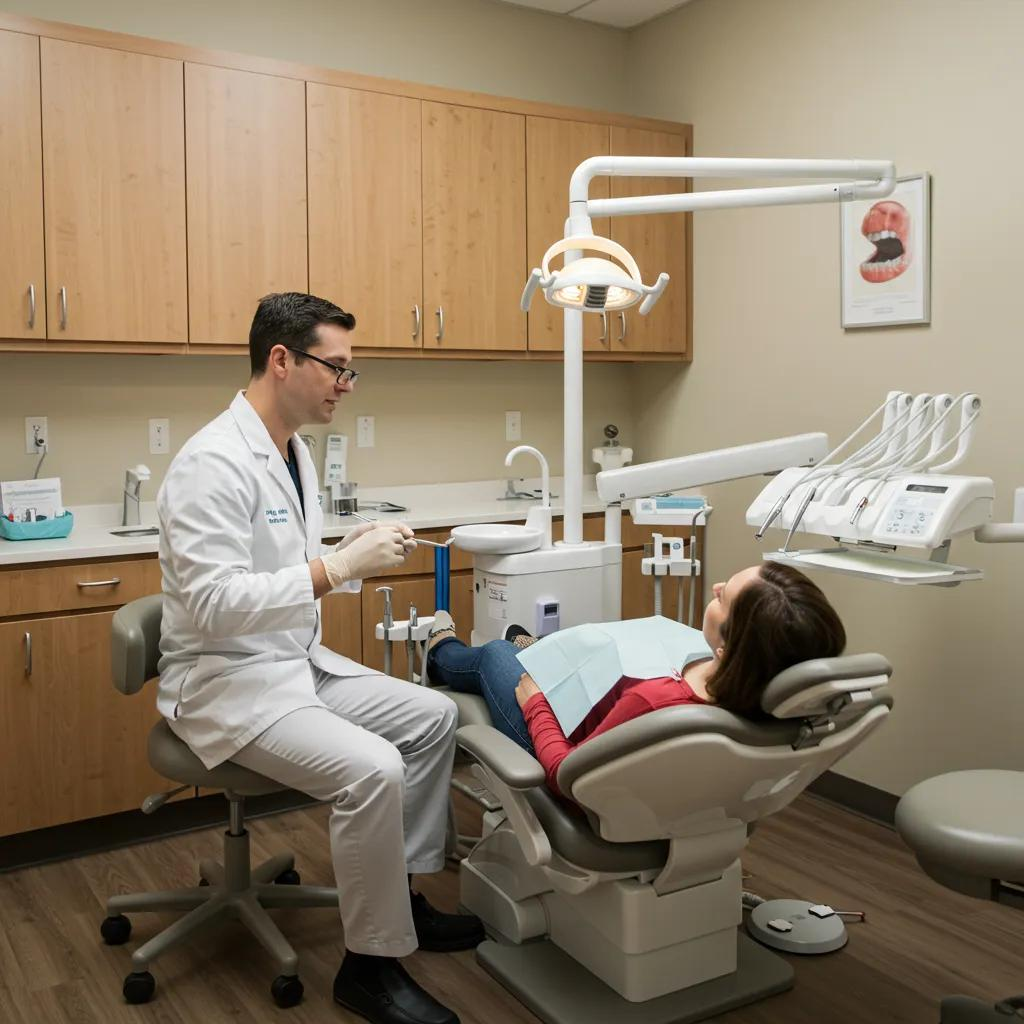
Specialized oral surgery under the guidance of an oral surgeon in Lutz and Tampa transforms complex dental procedures into predictable, pain-managed experiences. Many patients face anxiety when treatment plans cross beyond routine cleanings into surgical realms—choosing a dedicated oral and maxillofacial surgeon resolves concerns about expertise, technology, and personalized safety protocols. - We’ll also compare general dentists with oral surgeons, highlight why Bespoke Dental stands out in Lutz and Tampa, and guide you through scheduling a consultation. By understanding each layer—from training requirements to sedation options and cutting-edge technology—you’ll see why an oral surgeon-led dental practice delivers optimal care and peace of mind.
What Is an Oral Surgeon, and How Do They Differ from General Dentists?
An oral surgeon is a dental specialist who holds both a dental degree and several years of hospital-based surgical residency, focusing on complex procedures of the mouth, face, and jaw rather than routine restorative and preventive dentistry. This advanced training underpins mastery in areas such as wisdom teeth removal, jaw realignment, facial trauma repair, and dental implant placement. Unlike general dentists, oral surgeons complete rigorous rotations in anesthesia, emergency medicine, and hospital surgical environments, ensuring they manage both routine and high-risk cases under one roof. Understanding these distinctions clarifies when to choose an oral surgeon for specialized treatment rather than a general dental practice.
What Qualifications and Training Do Oral Surgeons Have?
Oral surgeons complete four years of dental school followed by four to six years of residency in oral and maxillofacial surgery, encompassing general anesthesia administration, emergency room rotations, and advanced surgical case management. This pathway often includes board examinations and certification by the American Board of Oral and Maxillofacial Surgery, reflecting validated expertise in corrective jaw surgery, bone grafting, and complex extractions. Residents gain hands-on exposure to inpatient settings, multidisciplinary collaboration, and management of facial trauma—preparing them to handle complications that extend beyond general dentistry’s scope. These qualifications assure patients that an oral surgeon brings hospital-level surgical proficiency to every procedure.
How Does Oral and Maxillofacial Surgery Specialize Beyond General Dentistry?
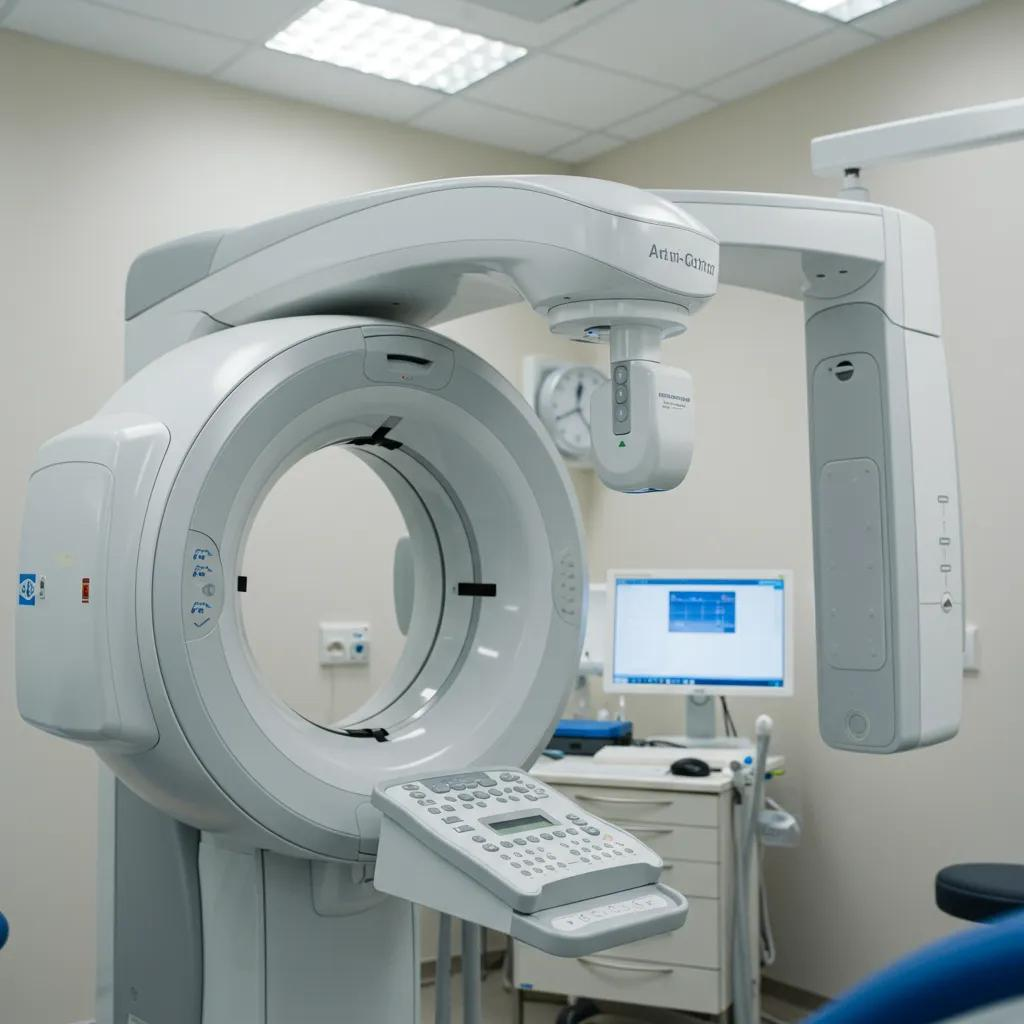
Oral and maxillofacial surgery integrates dental knowledge with surgical techniques derived from medical specialties, addressing congenital facial deformities, jaw misalignments, and oral pathology such as benign tumors. This surgical sub-specialty relies on advanced imaging like cone-beam CT scans for three-dimensional treatment planning, computer-guided implant placement, and minimally invasive approaches that preserve bone and soft tissue. By contrast, general dentistry focuses on preventive care, restorative fillings, and routine extractions. The surgical specialty’s broad procedural scope—including facial trauma repair, corrective jaw surgery, and sedation dentistry—elevates treatment precision and patient safety for complex cases.
CBCT in Oral and Maxillofacial Surgery: An Evidence-Based Review
Cone Beam Computed Tomography (CBCT) is a valuable imaging technique in oral and maxillofacial surgery. Its applications span various fields of oral and maxillofacial surgery, including dentoalveolar surgery, implantology, orthodontics, and the diagnosis of pathologies.
Cone beam computed tomography in oral and maxillofacial surgery: an evidence-based review, A Read-Fuller, 2019
The use of advanced imaging technologies like Cone-Beam CT scans is fundamental to the specialized nature of oral and maxillofacial surgery, offering detailed insights crucial for complex procedures.
When Should You See an Oral Surgeon Instead of a General Dentist?
Patients should consult an oral surgeon when facing impacted wisdom teeth, significant jawbone loss, dental implant planning, corrective jaw misalignment, or oral pathology concerns that require biopsy and microscopic evaluation. Additionally, cases involving facial trauma such as fractures, deep lacerations, or TMJ disorders fall squarely within an oral surgeon’s expertise. When treatment complexity surpasses routine restorative work—such as simultaneous bone grafting with implant surgery or sedation beyond nitrous oxide—an oral surgeon offers integrated solutions, combining surgical skill and anesthetic management. Early referral streamlines care, reduces risks, and enhances outcomes by engaging a specialist from the start.
What Are the Key Benefits of Choosing an Oral Surgeon-Led Dental Practice?
Opting for an oral surgeon led practice ensures superior clinical proficiency, comprehensive care pathways, and comfort measures tailored to each patient’s needs. By consolidating surgical expertise, advanced technology, and sedation options under one roof, patients experience coordinated treatments that minimize appointments and optimize healing. The following bulleted overview highlights core advantages of specialized oral surgery care:
- Unmatched surgical expertise for complex procedures
- Integration of 3D imaging and guided surgery for precision
- Comprehensive treatment planning spanning diagnostics to follow-up
- Multiple sedation modalities to ensure anxiety-free experiences
- Collaborative coordination with general dentists and medical specialists
These benefits translate into predictable outcomes, reduced procedural risks, and a streamlined patient journey from consultation to recovery.
How Does Specialized Expertise Improve Patient Outcomes?
Specialized expertise elevates patient outcomes by combining in-depth surgical training with hospital-grade safety protocols. An oral surgeon’s proficiency in managing airway, bleeding control, and intraoperative complications reduces procedure time and postoperative discomfort. Studies report implant rates exceeding 98 percent when placed by board-certified oral surgeons, reflecting meticulous surgical technique and individualized care planning. This advanced proficiency fosters faster healing, fewer complications, and higher patient satisfaction, guiding complex cases to predictable results.
What Advanced Technologies Do Oral Surgeons Use for Better Care?
Oral surgeons leverage cutting-edge technologies to enhance diagnostic accuracy and surgical precision, reducing invasiveness and improving recovery times.
TechnologyApplicationPatient BenefitCone-Beam CT Scan3D imaging of jawbone and sinusesPrecise surgical planning and nerve mappingComputer-Guided SurgeryDigital surgical guides for implantsEnhanced implant accuracy and reduced traumaIntraoral ScannerDigital impressionsFaster restorations and improved patient fitLaser-Assisted SurgerySoft tissue managementReduced bleeding, swelling, and healing time
The integration of advanced technologies like Cone Beam CT and computer-guided surgery is pivotal in modern oral and maxillofacial surgery, significantly improving surgical planning and execution.
Cone Beam CT Application Enhances Oral and Maxillofacial Surgery
The advent of cone beam computed tomography (CBCT) has dramatically changed how an oral and maxillofacial surgeon plans and executes dental implant procedures. This technology has improved the efficiency of oral and maxillofacial surgery by providing detailed 3D imaging.
Application of cone beam computed tomography in oral and maxillofacial surgery, M Ahmad, 2012
How Does Comprehensive - Enhance Treatment Success?
Comprehensive care within an oral surgeon-led practice combines diagnostics, surgery, anesthesia management, and postoperative follow-up in a single continuum. Coordinated treatment teams assess radiographic findings, medical history, and patient preferences to design tailored protocols—whether for multi-site implant placement with bone grafting or corrective jaw surgery with orthodontic collaboration. This holistic model eliminates gaps between referral and treatment, fostering clear communication and consistent monitoring. By overseeing each phase, the practice maximizes healing potential, minimizes patient anxiety, and delivers cohesive results.
What Sedation Options Ensure Patient Comfort and Safety?
Patients benefit from a spectrum of sedation dentistry options that balance comfort with safety under oral surgeon supervision:
- Nitrous Oxide Inhalation ensures rapid anxiety relief and quick recovery.
- Oral Sedatives provide moderate sedation for longer procedures with minimal recall.
- IV Conscious Sedation allows precise control of sedation depth, ideal for extensive surgeries.
Each technique is selected based on procedure complexity, medical history, and patient comfort requirements. Tailoring sedation strategies reduces perioperative stress and streamlines recovery, reinforcing patient trust and safety under every treatment plan.
Which Oral Surgery Services Are Offered by Bespoke Dental in Lutz and Tampa?
Bespoke Dental delivers a full spectrum of oral surgery services designed to address common and complex dental needs for residents in Lutz, Tampa, and surrounding communities. From permanent tooth replacement to trauma repair, the practice’s board-certified oral surgeon provides integrated care:
- Dental Implants for missing teeth
- Wisdom Teeth Removal to prevent impaction complications
- Bone Grafting to restore jawbone volume
- Corrective Jaw Surgery and Facial Trauma Repair
- Oral Pathology Diagnosis and Treatment
How Do Dental Implants Provide a Permanent Tooth Replacement Solution?
Dental implants replace missing teeth by anchoring titanium posts into the jawbone, mimicking natural tooth roots and providing a stable foundation for crowns or bridges. This surgical approach preserves bone integrity, prevents facial sagging, and restores full chewing function. At Bespoke Dental, cone-beam CT imaging and guided surgical guides guarantee precise implant positioning, contributing to success rates above 98 percent and long-term durability.
Why Is Wisdom Teeth Removal Important for Preventing Future Oral Health Issues?
Removing impacted or partially erupted wisdom teeth prevents crowding, infection, cyst formation, and damage to adjacent molars. Early intervention under specialized surgical care reduces the risk of nerve injury and postoperative complications by leveraging 3D imaging and sedation protocols tailored to each patient. Proactive extraction preserves oral health and averts emergency scenarios.
Surgical Techniques for Mandibular Wisdom Tooth Removal
The surgical removal of mandibular wisdom teeth is one of the most common operations undertaken in oral and maxillofacial surgery. The most common indication for surgery is infection about a partially erupted tooth that is impacted against bone or soft tissues. Other indications include unrestorable caries, pulpal and periapical pathology, fracture of the tooth and cyst development, amongst others. Most commonly the benefits of surgical removal of a wisdom tooth include alleviation of the symptoms and signs of pericoronitis and its potential consequences. However, surgery is frequently associated with postoperative pain, swelling and trismus. Less commonlycomplicationsinclude infection, including dry socket, trigeminal nerve injuries and rarely fracture of the mandible.
Surgical techniques for the removal of mandibular wisdom teeth, P Coulthard, 2014
When Is Bone Grafting Necessary for a Healthy Jawbone?
Bone grafting rebuilds deficient jawbone structure to support dental implants and maintain facial contours. Conditions such as long-term tooth loss, periodontal disease, or trauma may lead to bone resorption that compromises implant placement. Using autogenous or allograft materials, the oral surgeon reconstructs bone volume, enabling stable implant integration and optimal aesthetic outcomes.
What Does Corrective Jaw Surgery and Facial Trauma Repair Involve?
Corrective jaw surgery, also known as orthognathic surgery, realigns misaligned jaws to improve bite function, speech, and facial symmetry. Facial trauma repair addresses fractures, lacerations, and soft-tissue injuries resulting from accidents. Both procedures require hospital-grade anesthesia management, precise osteotomies, and fixation hardware to restore anatomy and function, followed by tailored postoperative rehabilitation.
How Does Oral Pathology Diagnosis and Treatment Protect Your Health?
Oral pathology services screen for lesions, precancerous changes, and benign or malignant growths within the oral cavity. Biopsies and microscopic analysis aid early detection of oral cancer, infections, and systemic disease manifestations. Timely diagnosis under specialized care safeguards overall health, guiding prompt intervention and tailored therapy.
How Does an Oral Surgeon Led Practice Enhance Patient Safety and Comfort?
An oral surgeon led practice elevates safety and comfort by combining hospital-level protocols with individualized sedation and monitoring standards. From preoperative assessments to recovery room management, every step adheres to stringent guidelines for infection control, vital-sign monitoring, and emergency preparedness. Personalized care plans ensure each patient’s medical history and anxiety levels guide procedural approaches, fostering reassurance and predictable healing.
What Are the Different Sedation Dentistry Options Available?
- Nitrous Oxide for mild relaxation with rapid recovery
- Oral Sedatives for moderate drowsiness and reduced recall
- IV Sedation for controlled deep sedation in extensive or lengthy procedures
By offering this range, the practice supports anxious or medically complex patients, ensuring safe comfort throughout treatment.
How Are Hospital-Level Safety Protocols Maintained in Oral Surgery?
Hospital-level safety protocols in the oral surgery suite include sterile instrument processing, comprehensive anesthesia monitoring (ECG, blood pressure, oxygen saturation), and adherence to ACLS guidelines for emergency response. Regular equipment calibration, staff training in airway management, and postoperative observation areas ensure rapid intervention if needed. These measures mirror hospital standards, providing patients with surgical care in a dedicated office environment.
How Does Personalized Care Tailor Treatment Plans to Individual Needs?
Personalized care begins with a thorough review of medical history, radiographic analysis, and patient goals. The oral surgeon collaborates with general dentists, orthodontists, and physicians to design multidisciplinary plans that address functional, aesthetic, and comfort considerations. Customized sedation protocols, incision techniques, and postoperative instructions adapt to each patient’s anatomy and health profile, optimizing outcomes and satisfaction.
Why Choose Bespoke Dental’s Oral Surgeon for Your Oral Surgery Needs?
Choosing Bespoke Dental’s oral surgeon means entrusting your care to a board-certified specialist committed to comprehensive, technologically advanced treatments. The practice emphasizes transparent communication, evidence-based protocols, and a patient-first philosophy that integrates modern techniques with compassionate support. This unique combination ensures every procedure—from implant placement to jaw realignment—meets the highest standards of safety, precision, and personalized comfort.
What Are the Credentials and Expertise of Our Board-Certified Oral Surgeon?
Our oral surgeon holds a Doctor of Dental Surgery degree, completed a multi-year residency in oral and maxillofacial surgery, and achieved board certification demonstrating mastery of complex surgical procedures. Additional training in anesthesia management and emergency medicine equips the surgeon to handle high-risk cases with confidence. This verified expertise assures patients that their care is anchored in rigorous academic and clinical excellence.
How Does Bespoke Dental Use Advanced Technology for Superior Results?
Bespoke Dental integrates cone-beam CT imaging, computer-guided implant surgery, and laser-assisted soft tissue techniques to deliver minimally invasive, precise treatments. Real-time digital workflows streamline diagnosis and reduce treatment times, while intraoral scanners enhance accuracy in restorative procedures. This technology suite supports superior healing, predictable outcomes, and an overall elevated patient experience.
What Do Patient Testimonials Reveal About Our Care and Outcomes?
Patient feedback consistently highlights the oral surgeon’s gentle approach, thorough explanations of treatment plans, and attention to comfort throughout every phase of care. Many report minimal postoperative pain, quick recovery, and satisfaction with aesthetic and functional results—especially for dental implants and wisdom teeth removal. These success stories reinforce Bespoke Dental’s reputation for delivering reliable, patient-centered oral surgery solutions.
What Are the Differences Between Oral Surgeons and General Dentists?
RolePrimary ExpertiseScope of PracticeGeneral DentistPreventive and restorative careFillings, crowns, routine extractionsOral SurgeonSurgical management of mouth/jawImplants, orthognathic surgery, trauma
While general dentists excel in everyday dental maintenance and minor procedures, oral surgeons address in-depth surgical interventions and medically complex cases, ensuring specialized management beyond routine practice.
Which Complex Cases Require an Oral Surgeon’s Expertise?
Cases involving severe jaw misalignment, facial fractures, extensive bone loss, impacted third molars, and oral pathology fall under an oral surgeon’s domain. These situations demand hospital-grade anesthesia skills, advanced imaging interpretation, and surgical judgment that transcends general dental training. Engaging a specialist early safeguards treatment quality and outcome predictability.
How Do Treatment Approaches Differ Between Specialists and General Dentists?
General dentists rely on local anesthesia and outpatient settings for standard treatments, focusing on prevention and minor surgery, whereas oral surgeons employ sedation dentistry, comprehensive preoperative assessments, and hospital-level monitoring for complex operations. Specialists integrate multidisciplinary consultations and advanced technology to optimize surgical precision and patient safety across high-risk procedures.
When Is Referral to an Oral Surgeon Recommended?
Referral is advised when patient conditions extend beyond routine dental care—such as bone grafting needs, complex extractions, corrective jaw surgery, or diagnostic uncertainty regarding oral lesions. Early collaboration between general dentists and oral surgeons expedites care, minimizes complications, and ensures each patient receives the precise expertise required for optimal oral health.
How Can You Schedule a Consultation with an Oral Surgeon at Bespoke Dental?
Scheduling a consultation with our oral surgeon begins with a simple, patient-friendly process designed for clarity and convenience. After an initial phone or in-office inquiry, the scheduling team gathers basic medical history and procedure goals to reserve an appropriate appointment slot. Office coordinators confirm sedation preferences and provide preparatory guidelines to ensure a smooth first visit.
What Is the Appointment Booking Process Like?
Patients share their primary concerns and medical background during a brief intake call, enabling staff to select an initial consultation time that accommodates sedation planning and imaging needs. Confirmation includes reminders about fasting instructions or medication adjustments, streamlining arrival and minimizing administrative delays. This structured approach fosters confidence and preparedness before meeting the oral surgeon.
How Can New Patients Prepare for Their Oral Surgery Consultation?
New patients should compile recent dental X-rays, a list of current medications, and any relevant medical records. Fasting guidelines vary by sedation level, so following preoperative instructions is essential. Completing health questionnaires in advance and noting specific goals—such as implant placement or jaw alignment—helps the surgeon tailor the evaluation and treatment plan efficiently.
What Should Patients Expect During Their First Visit?
During the initial consultation, the oral surgeon conducts a clinical exam, reviews radiographic imaging, and discusses treatment options, sedation methods, and anticipated outcomes. Patients gain clear insights into procedural steps, recovery timelines, and cost estimates. This collaborative dialogue builds trust and empowers individuals to make informed decisions about their oral health journey.
Choosing specialized oral surgery at Bespoke Dental means investing in expertise, technology, and personalized care that deliver lasting results. From thorough training and innovative imaging to comprehensive safety protocols and patient-centered communication, an oral surgeon-led practice ensures every detail supports optimal treatment success and comfort. Discover how expert surgical care can transform your dental experience and schedule a consultation to take the first step toward a healthier, more confident smile.